




WAYNE COUNTY — The Wayne County Health Division (WCHD) reports first West Nile virus (WNV) death in an Out-Wayne County resident for the 2025 season.
The individual was an older adult with underlying health conditions.
The state as a whole has reported 17 human cases of the virus so far this year, including three in Out-Wayne County.
“This tragic loss is a reminder that West Nile virus can have serious consequences and why prevention is so vital,” Dr. Avani Sheth, chief medical officer, said. “We urge residents to take simple, effective steps — like using insect repellant and draining standing water — to protect yourself and your loved ones.”
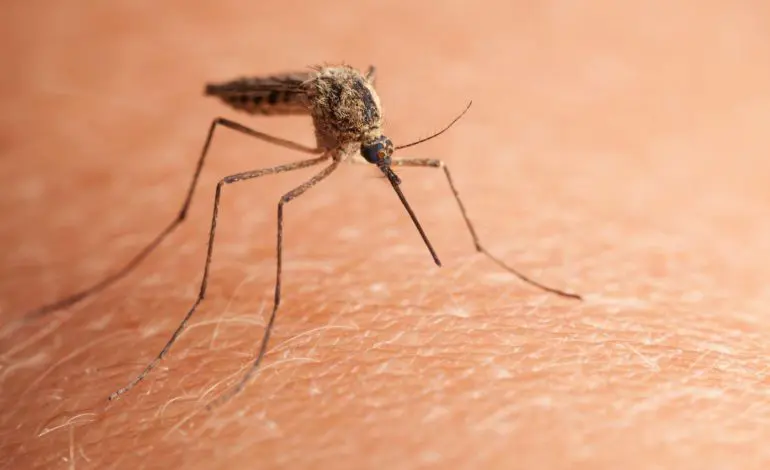
WNV is an illness that spreads to people through the bite of an infected mosquito that has fed on an infected bird and does not spread directly from person to person.
Most people infected do not show symptoms, but when illness does occur it usually begins two to six days after a mosquito bite and can include a fever, headache, body aches, vomiting, diarrhea and/or rash. In rare cases, the virus can cause severe, potentially deadly illnesses such as meningitis or encephalitis, a swelling and infection of the brain.
Anyone who experiences high fever, severe headaches, neck stiffness, muscle weakness, confusion or tremors is encouraged to seek medical care immediately.
With there being no vaccine or treatment for WNV, medical professionals say that protection is the best prevention and encourage the use of insect repellant, limiting outdoor activity at dusk and dawn, wearing long sleeves, pants and socks and spraying the clothing with repellant as well, empty standing water sites such as tires, buckets, toys, pools, etc. and install or repair window and door screens to help keep mosquitoes out of homes.
The WNV activity usually peaks in Michigan in late August to early September, but cases can occur from summer through early fall.
More information about the WNV can be found at www.cdc.gov/west-nile-virus or www.michigan.gov/wnv.



Leave a Reply