




As Ramadan coincides this year with the winter season, Arab and Muslim communities across Metro Detroit are observing the holy month with shorter fasting hours and colder temperatures that have reshaped the public atmosphere.
While some outdoor activities have slowed due to winter weather, the region has maintained its characteristic vibrancy through a wide range of official, commercial and social events — including nightly iftars, religious programming and charitable initiatives across dozens of mosques throughout the area.
According to astronomical calculations, Ramadan runs from February 18 through March 19, aligning with the Christian season of Lent, which also began on February 18 with Ash Wednesday. The overlap has added a shared spiritual tone, reinforcing values of coexistence and interfaith solidarity among Detroit’s diverse religious communities.
Cold temperatures, warm traditions: Metro Detroit celebrates Ramadan with humanitarian efforts, vibrant nightlife and shorter fasting hours
Islamic centers in Dearborn, Dearborn Heights and surrounding cities have expanded bilingual programming in Arabic and English to serve growing numbers of worshippers, particularly those who attend mosques more frequently during Ramadan. Additional prayer spaces have been arranged to accommodate increased attendance.
Mosques throughout the region are offering daytime and evening lectures, Qur’an recitation, supplications and fundraising efforts to assist families in need locally and to support vulnerable populations abroad.
A different Ramadan scene
Unlike previous years, which featured widespread Ramadan tents and food trucks, both Dearborn and Dearborn Heights opted not to issue special permits for food truck operations during this year’s Ramadan.
In response, several restaurants and banquet halls have resumed daily iftar buffets, while bakeries remain open until the early morning hours to serve suhoor meals, contributing to the lively late night markets that traditionally define Ramadan in the two neighboring cities.
Many restaurants, cafés and bakeries have extended operating hours until dawn, fostering the customary social atmosphere of Ramadan, where families and friends gather well past midnight.
Dearborn Communications Director Deena Berri told The Arab American News that the city did not issue special regulations for food trucks during Ramadan this year, nor did it schedule official Ramadan programming beyond its annual community iftar planned for February 26.
Dearborn Heights City Council Chairman Hassan Ahmad explained that the city follows strict regulations to ensure public safety and proper operation of food trucks. Vendors must comply with licensing requirements, health department standards and operate only in approved locations.
Ahmad told The Arab American News that temporary Ramadan event arrangements require direct coordination with the city to ensure traffic flow and compliance with local ordinances. He emphasized that the city welcomes community engagement and supports business owners who meet safety and health standards.
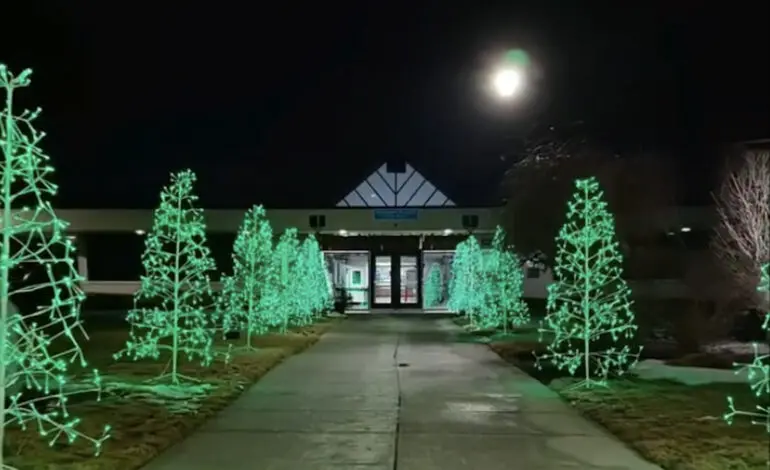
A historic green illumination of Dearborn Heights City Hall
For the first time in its history, Dearborn Heights City Hall was illuminated in green this year in celebration of Ramadan, with surrounding trees lit in the color traditionally associated with Islam.
City officials said the display reflects ongoing efforts to celebrate the cultures and traditions woven into the community’s diverse fabric.
“As Dearborn Heights welcomes the holy month of Ramadan, decorating City Hall is a meaningful way to honor and celebrate the diversity of our community,” Ahmad said. “Ramadan is a time of faith, reflection and unity, and we want City Hall to reflect that spirit while ensuring all residents feel seen and included.
“As we extend Ramadan greetings to our Muslim community, we also send our best wishes to our Christian community observing Lent, which began alongside Ramadan,” he added. “We value these special times of prayer and reflection as well.”
“Ramadan Village” returns but in a different way
Although cold weather halted the popular “Suhoor Festival” and other outdoor late-night events that characterized previous Ramadan seasons in Dearborn, residents can still enjoy communal Ramadan experiences at “Ramadan Village.”
The weekend night market will take place at the Canteen at Midtown near Fairlane Center, featuring 55 participating businesses.
Ramadan Village will operate Fridays, Saturdays and Sundays from 10 p.m. to 3 a.m. between March 7 and March 31, offering food, desserts, retail goods and handcrafted items — creating a vibrant shopping and suhoor destination for families and friends.
Helping Handzzz Foundation expands anti-food waste effort
To address food surplus often associated with Ramadan iftars, the nonprofit Helping Handzzz Foundation is once again working to combat food waste by redistributing untouched surplus meals to families in need and the homeless.
This year, distribution efforts will extend beyond local neighborhoods to include homeless individuals at Hart Plaza in downtown Detroit and the Detroit Rescue Mission.
Founded in 2016 by pharmacist Nadine Daoud as a grassroots effort, the Helping Handzzz Foundation quickly grew into a broad volunteer-driven humanitarian initiative through social media engagement.
Volunteer drivers will deliver meals throughout Ramadan, while other volunteers will collect untouched dishes from homes and restaurants in Dearborn and Dearborn Heights through coordination via the organization’s Instagram account.
The nonprofit will also host a charitable iftar on March 7, with proceeds supporting recurring family meal programs and holiday initiatives, including Eid clothing, food distribution and Eid al-Adha sacrifices.
The Islamic Institute of Knowledge in Dearborn will serve as a central drop-off location for surplus meal donations after evening prayers.
Iftars and food basket programs
Most religious centers in Metro Detroit will host fundraising iftars throughout the month. However, the Islamic Center of Detroit (ICD) is distinguishing itself this year with an extensive charitable program estimated at approximately $150,000 in total costs.
ICD’s Ramadan initiatives include:
-
Providing hundreds of daily iftar meals
-
Preparing weekly food baskets available to all
-
Serving nightly suhoor meals during the final 10 days of Ramadan


Leave a Reply