



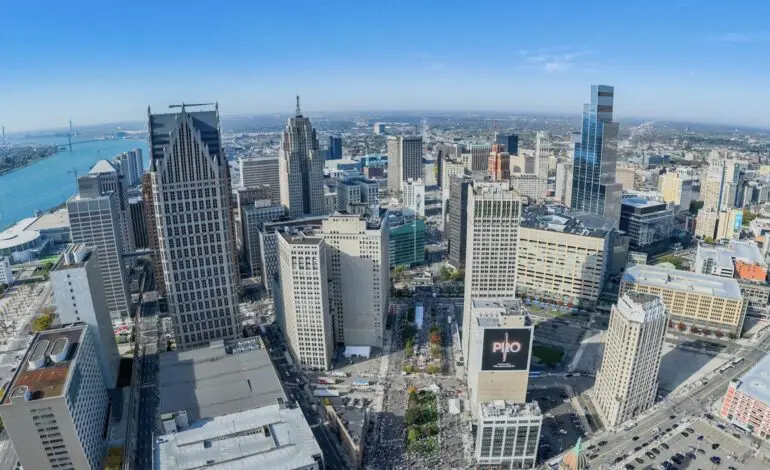

Despite progress in several areas over the past few years, the “Motor City” has topped the list of the most stressed and psychologically burdened cities in the United States, according to an annual survey conducted by WalletHub, which included 182 of the largest cities across the country.
The survey was based on 39 indicators grouped into four main categories: work stress and unemployment, financial stress, family stress, safety and health concerns.
According to the website, Detroit suffers from the highest unemployment rate among U.S. cities, standing at 11.4 percent. Additionally, the city has the lowest adjusted annual household income, at approximately $38,000. Detroit also has the highest poverty rate among major U.S. cities, with more than 31.5 percent of its residents living below the poverty line.
The survey also reported that Detroit residents have a very low average credit score of 624, which falls under the “poor credit” category.
In terms of family-related stress, Detroit recorded the second-highest rate of separation and divorce among major U.S. cities, as well as the highest percentage of households lacking a father or mother. Physical activity among residents is also quite low, with Detroit ranking sixth in obesity rates.
While lack of public safety is another major source of stress, Detroit continues to suffer from one of the highest violent crime rates in the country — despite notable improvements in recent years.
Overall, Detroit scored 61.82 points, ranking 14th in job stress, third in work stress and unemployment, second in family stress and fourth in health and safety stress.
Cleveland, Ohio ranked second on the list with a total score of 60.83 points, followed by Baltimore, Maryland (58.28 points). Meanwhile, Grand Rapids, in western Michigan, fared much better than Detroit, ranking 140th out of 182 U.S. cities with a score of 37.68.
While psychological stress is considered an inherent trait of urban life in large cities, some mental health specialists argue that stress isn’t always a negative thing. Psychology Today magazine pointed out that acute, short-term stress — known as “positive stress” — can sometimes have stimulating and beneficial effects, such as keeping a person alert and enhancing performance in certain situations.
The problem, however, arises when this stress becomes chronic and exceeds an individual’s ability to cope, leading to physical and psychological health issues. For this reason, mental health experts advise individuals to give themselves room for compassion and patience when dealing with life’s pressures and to try to find positive aspects in difficult situations as a way to ease the burden.
This ranking comes at a time when economic and social challenges continue to mount for major American cities, further highlighting the urgent need to support mental health and improve quality of life — especially in economically fragile areas like Detroit.



Leave a Reply