



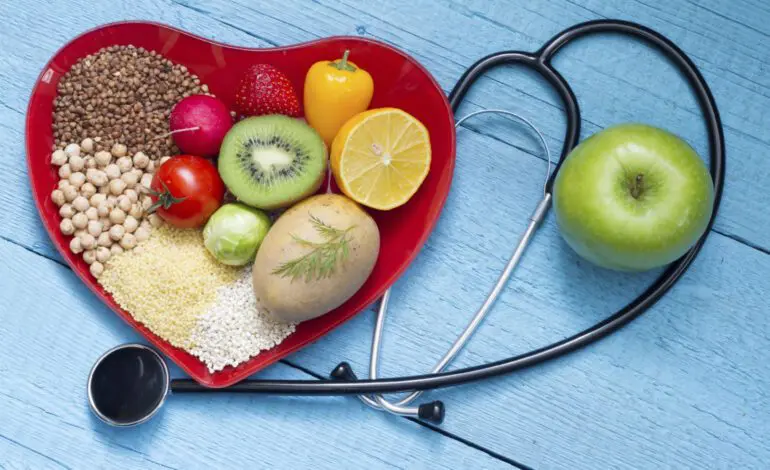

LONDON – A report by The Independent cited nutrition experts who said that adding more fiber to daily meals may help reduce blood cholesterol levels and lower the risk of heart attacks and strokes.
The report noted that there are two main types of fiber that can be incorporated into the diet: Soluble fiber and insoluble fiber.
-
Insoluble fiber helps maintain gut health and can be found in whole grains and vegetables.
-
Soluble fiber is found in oats, beans, lentils and fruits.
Nutritionist Lindsay Livingstone explained that soluble fiber binds with cholesterol in the digestive system, preventing it from being absorbed into the bloodstream.
Research shows that most Americans do not consume enough fiber: 90 percent of women and 97 percent of men fail to meet the recommended daily intake of 25–30 grams.
High cholesterol can restrict blood flow to the heart, potentially leading to a heart attack or stroke.
Experts recommend practical meal choices:
-
Breakfast: A handful of almonds and some fruit with whole oats.
-
Lunch: Lentil soup or hummus with whole wheat bread and a simple green salad.
-
Dinner: Sweet potatoes, along with a balanced mix of nutrients.
However, the report stressed that fiber alone is not a cure-all, especially if the diet is high in salt and saturated fats, which can also raise cholesterol levels. Red meat, processed meats, fried foods, baked goods, sweets and full-fat dairy should be limited.
Dr. Romit Bhattachary noted that consuming full-fat dairy and meats is comparable to directly eating dietary cholesterol.
On the other hand, excessive fiber consumption can cause bloating and gas, so it is advised to drink plenty of water to ensure smooth digestion.



Leave a Reply