



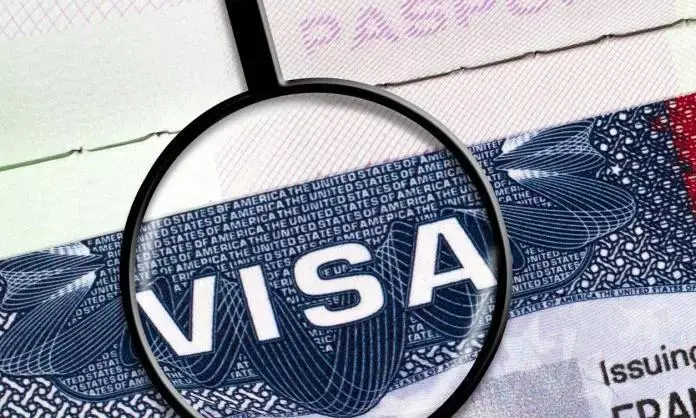

WASHINGTON, D.C. – The U.S. State Department has launched what it called a sweeping security review of more than 55 million individuals holding various visas in an unprecedented move aimed at identifying violations that could justify visa revocation or deportation. At the same time, immigration authorities have begun enforcing new directives requiring social media screening of visa applicants, including students and tourists, to determine whether they espouse “anti-American” or “anti-Semitic” views.
Broad review under Trump’s second term
According to officials, the review covers all categories of visas, including student and tourist visas, and falls under the administration’s “continuous vetting” policy, expanded during President Trump’s second term.
A State Department spokesperson said visas are revoked immediately once evidence of ineligibility appears, such as overstaying legal status, committing crimes, posing a threat to public safety or involvement in terrorism or support for designated terrorist groups. The department will draw on law enforcement records, immigration data and even information that emerges after a visa has been issued.
This marks a significant escalation in U.S. deportation policy, extending scrutiny not only to undocumented migrants but also to legal visa holders, raising questions about the future of millions of foreign students, workers and visitors.
Thousands of visas already revoked
Since Trump’s re-election, the State Department has revoked more than 6,000 student visas:
-
About 4,000 for legal infractions including assault, drunk or drugged driving and theft.
-
Roughly 300 on terrorism-related grounds, such as alleged links to extremist groups.
The administration has also targeted foreign students involved in pro-Palestinian protests at U.S. universities, with some already facing deportation proceedings they are now contesting in court.
Social media scrutiny
The administration is also expanding social media vetting. New rules require some applicants — particularly those seeking student or visitor visas — to make their accounts public during the application process. Failure to do so could be treated as an attempt to conceal suspicious activity.
The State Department has instructed U.S. diplomats to be wary of applicants deemed “anti-American” or with a record of political activism.
Officials from U.S. Citizenship and Immigration Services (USCIS) confirmed that staff are now directed to give “great weight” to evidence of ties to “anti-American or terrorist organizations” when reviewing applications for visas, green cards or work permits.
“America’s benefits should not be given to those who despise the country and promote anti-American ideologies,” said USCIS spokesperson Matthew Tragesser in a news release on Tuesday. “…Immigration benefits — including to live and work in the United States — remain a privilege, not a right.”
He also said that the immigration agency was “committed to implementing policies and procedures that root out anti-Americanism and supporting the enforcement of rigorous screening and vetting measures to the fullest extent possible.”
The policy update did not give a specific definition for “anti-Americanism,” only saying this included those who supported “anti-Semitic terrorism, anti-Semitic terrorist organizations and anti-Semitic ideologies.”
The legal foundation for such measures traces back to the Immigration and Nationality Act of 1952, which originally focused on excluding communists. The Trump administration, however, has applied the law more broadly to include individuals whose online activity conflicts with U.S. foreign policy interests — particularly concerning Israel.
“The term (anti-Americanism) has no prior precedent in immigration law and its definition is entirely up to the Trump (administration),” said Aaron Reichlin-Melnick, a senior fellow at the American Immigration Council, in a post on X.
He added that the move was reminiscent of McCarthyism – the period of the 1950s also known as the Red Scare, when authorities prosecuted left-wing individuals amid a widespread public panic over communism and its influence on American institutions.
Clash with universities
The policy shift has intensified tensions between the Trump administration and major universities. The president has accused institutions such as Harvard University of becoming “hotbeds of anti-Semitism”, threatening to strip their tax-exempt status and freeze millions of dollars in federal research funding.
This follows a wave of pro-Palestinian protests that began at Columbia University in spring 2024 and spread to more than 60 campuses nationwide, leading to police crackdowns and the arrests of more than 3,000 students and faculty members.
Critics warn of rights violations
Civil rights advocates argue the new visa review policies risk turning political dissent — especially criticism of Israel — into grounds for deportation or exclusion. Activists deny the administration’s allegations of widespread anti-Semitism, insisting the protests were directed against Israel’s war on Gaza, not Jewish people.

Leave a Reply