


A newly filed lawsuit in Wayne County Circuit Court alleges that the Henry Ford College Board of Trustees violated Michigan’s Open Meetings Act (OMA) during its ongoing search for a new college president.
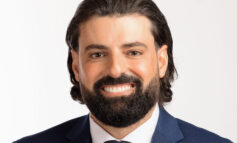
The complaint, filed Thursday by political activist and Highland Park resident Robert Davis, centers on the Board’s use of a presidential search advisory committee composed of 24 members, including three sitting trustees. According to the filing, the committee played a central role in screening, evaluating, and voting on candidates outside of public view, raising concerns that key deliberations occurred in private.
Davis’ lawsuit repeatedly cites numerous The Arab American News articles reporting on the operations of the search committee that occurred outside properly noticed public meetings in potential violation of the OMA, which requires that governmental decision making be conducted transparently.
The complaint further alleges that the full board ultimately relied on the committee’s recommendations with minimal independent discussion, characterizing the process as a “rubber stamp” of decisions shaped in private. If true, the lawsuit claims, this would undermine the law’s purpose of ensuring that public bodies conduct their business openly and allow meaningful public oversight.
The presidential search process at Henry Ford College has drawn attention in recent months as the institution seeks new leadership. Advisory committees are commonly used in such searches, often including faculty, staff, and community members. However, the lawsuit argues that the committee acted in a capacity that made it a “public body” under the OMA, requiring its meetings to be held in public.
The lawsuit cites Michigan’s landmark 2024 Pinebrook Warren decision, which established that committees must comply with the OMA if they exercise de facto decision-making authority, even if their official role is designated as merely “advisory.”
The filing asks the court to declare the Board’s actions unlawful and to invalidate decisions stemming from the allegedly improper process. It also seeks injunctive relief to prevent further violations and to require the board to conduct its presidential search in compliance with OMA requirements.
Legal experts note that Michigan courts have previously addressed similar issues, particularly regarding whether advisory bodies that include members of a governing board can circumvent transparency laws. The outcome of this case could hinge on whether the court finds that the committee exercised actual decision-making authority or merely provided recommendations.
If Davis’ lawsuit is successful, it could invalidate any decisions made by the Board of Trustees regarding the presidential search, including the appointment of the next College President. The Open Meetings Act, however, does contain a provision allowing the Board to reconduct the questioned actions in public in order to avoid liability.
As of Thursday, representatives for the college had not publicly responded to the lawsuit. The case has been assigned to a judge in the Wayne County Circuit Court and is expected to proceed in the coming weeks. For now, the presidential search at Henry Ford College continues under a cloud of legal uncertainty, with potential implications for both the selection process and public trust in the board’s governance.

Leave a Reply