



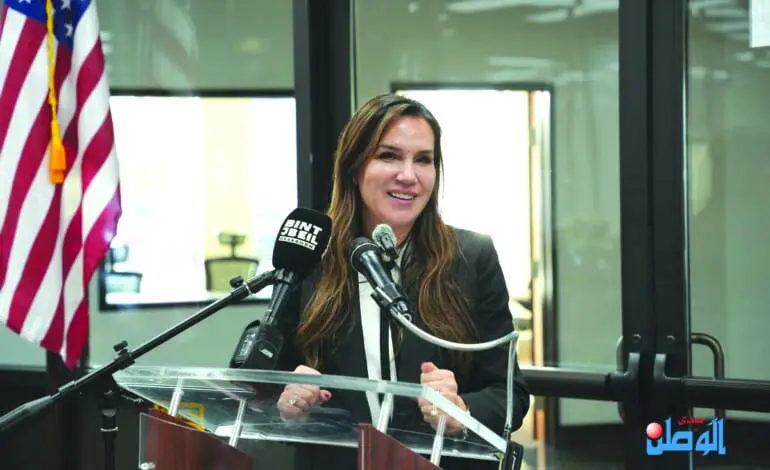

DEARBORN — In her first trip outside Washington, D.C. since assuming her post in mid-June, Lebanon’s Ambassador to the United States Nada Hamadeh Moawad visited Lebanese communities across Michigan on Friday, October 3, meeting with numerous community, religious and civic leaders in Dearborn, Clinton Township, Birmingham and Fenton.
The visit, organized at the invitation of the Consulate General of Lebanon in Detroit, was warmly welcomed by Lebanese expatriates in Dearborn and southeast Michigan. It marked the beginning of a series of planned tours across U.S. states with large Lebanese populations, aimed at strengthening ties with the Lebanese diaspora and reaffirming its national role in supporting Lebanon politically, culturally and economically.
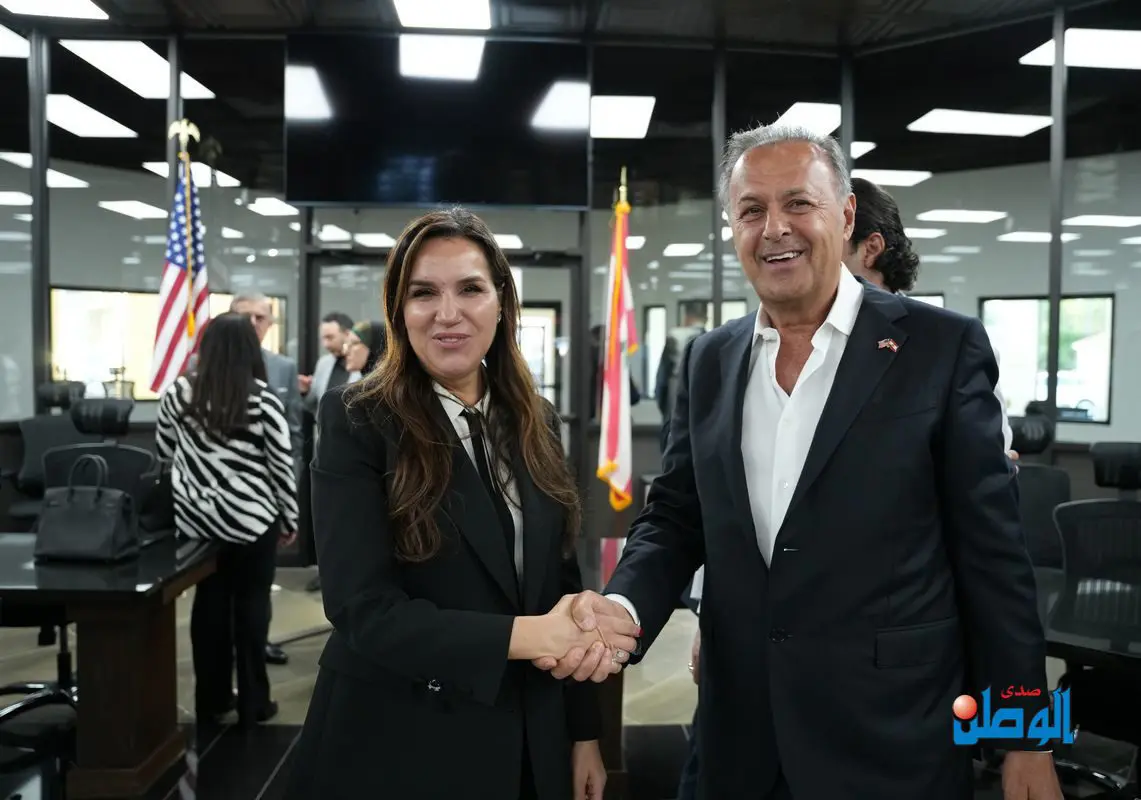
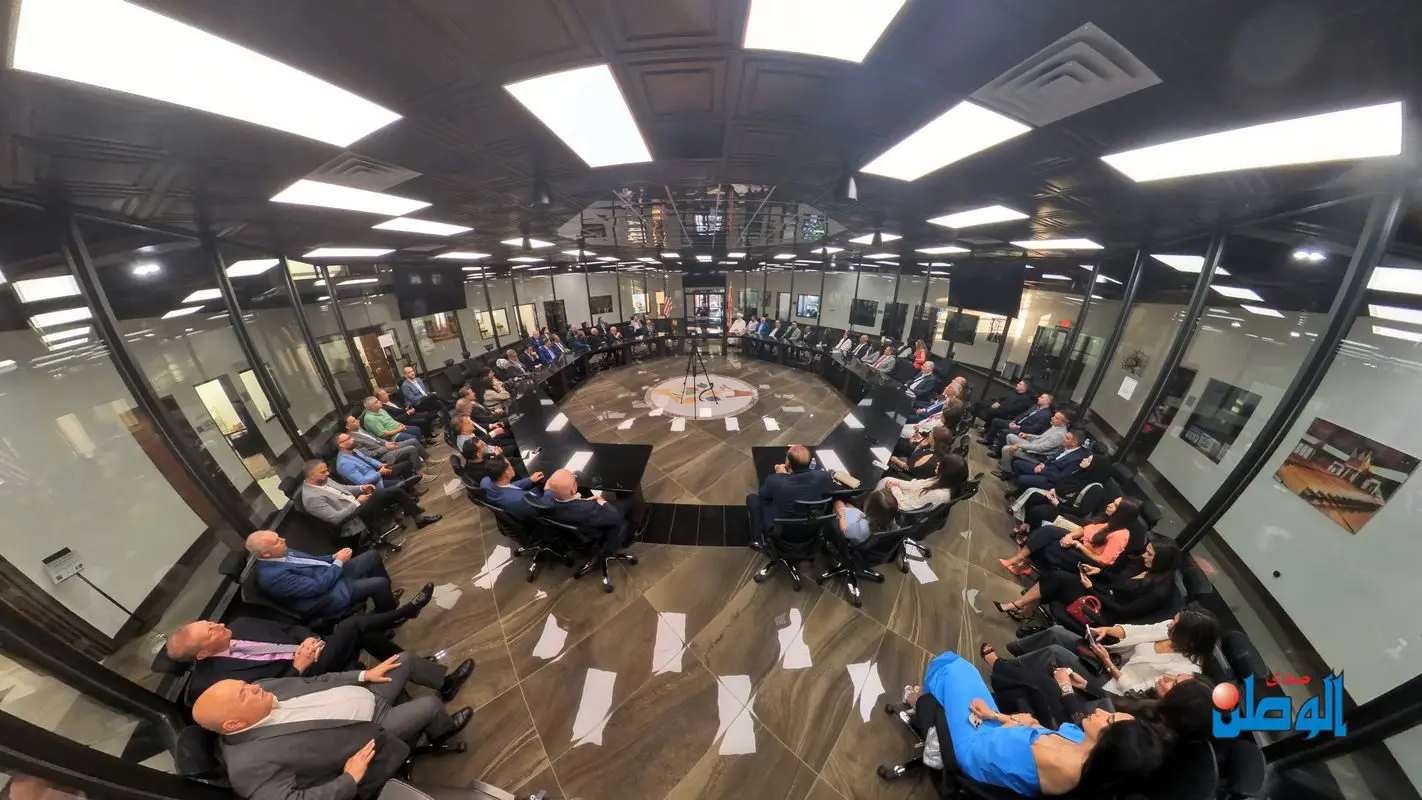
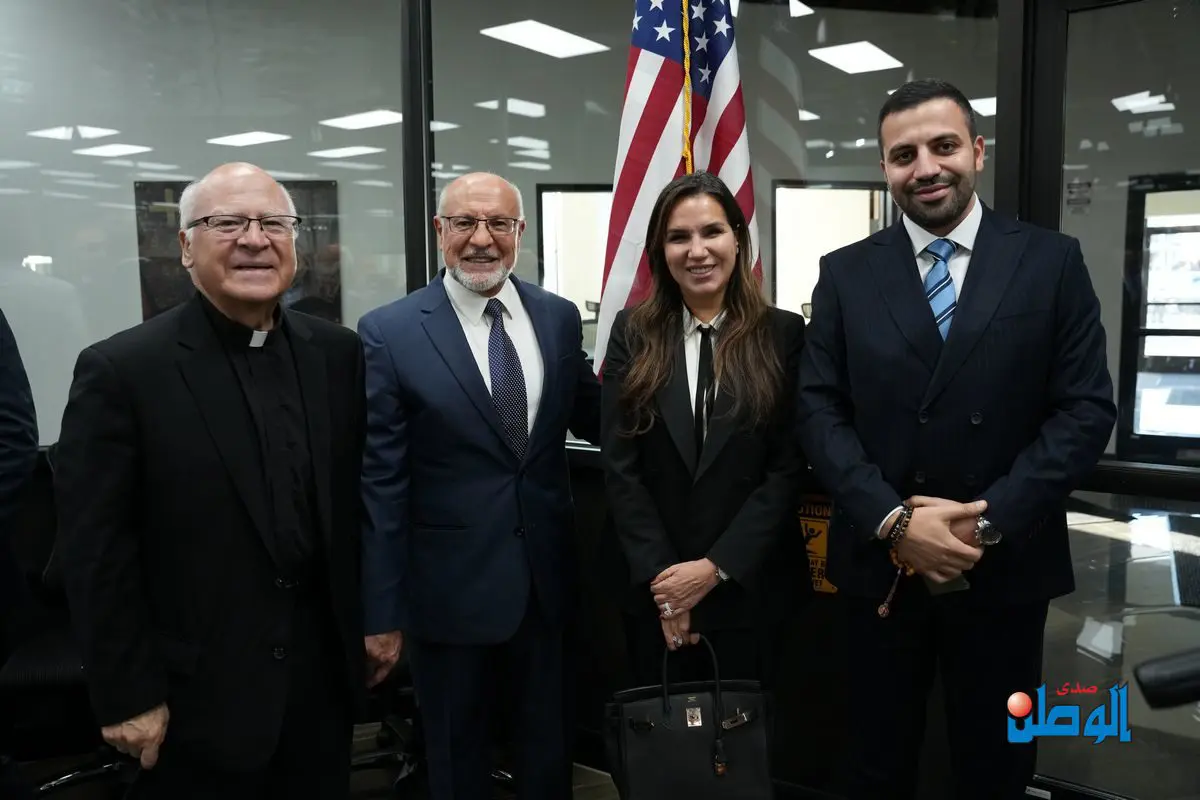
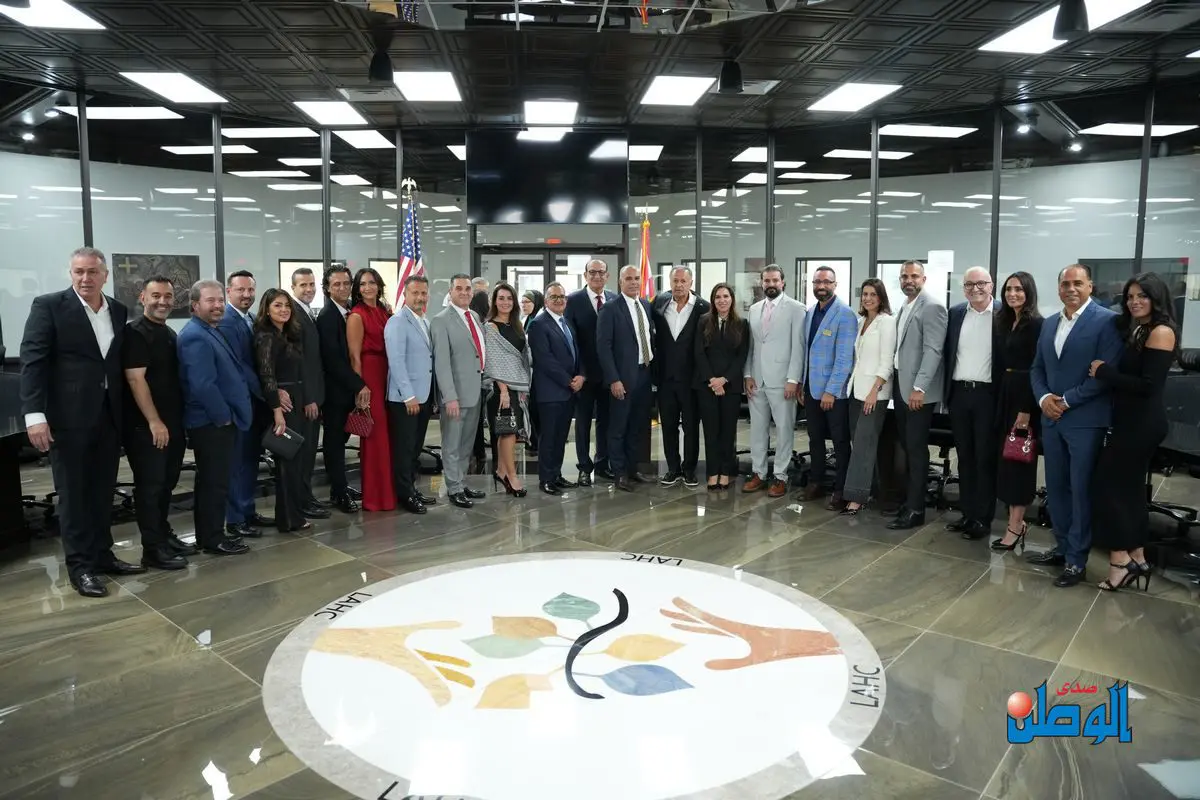
As part of the visit, the organization LAHC (formerly the Lebanese American Heritage Club) hosted a reception honoring Moawad — the first Lebanese woman to serve as ambassador to Washington. The event was organized by Lebanon’s consul general in Detroit, Ibrahim Charara, along with a distinguished group of political, social and religious figures who expressed their gratitude for the ambassador’s initiative in visiting the Lebanese community in Dearborn, “which continues to uphold its commitment to the homeland despite all challenges.”
Strengthening bonds with the diaspora
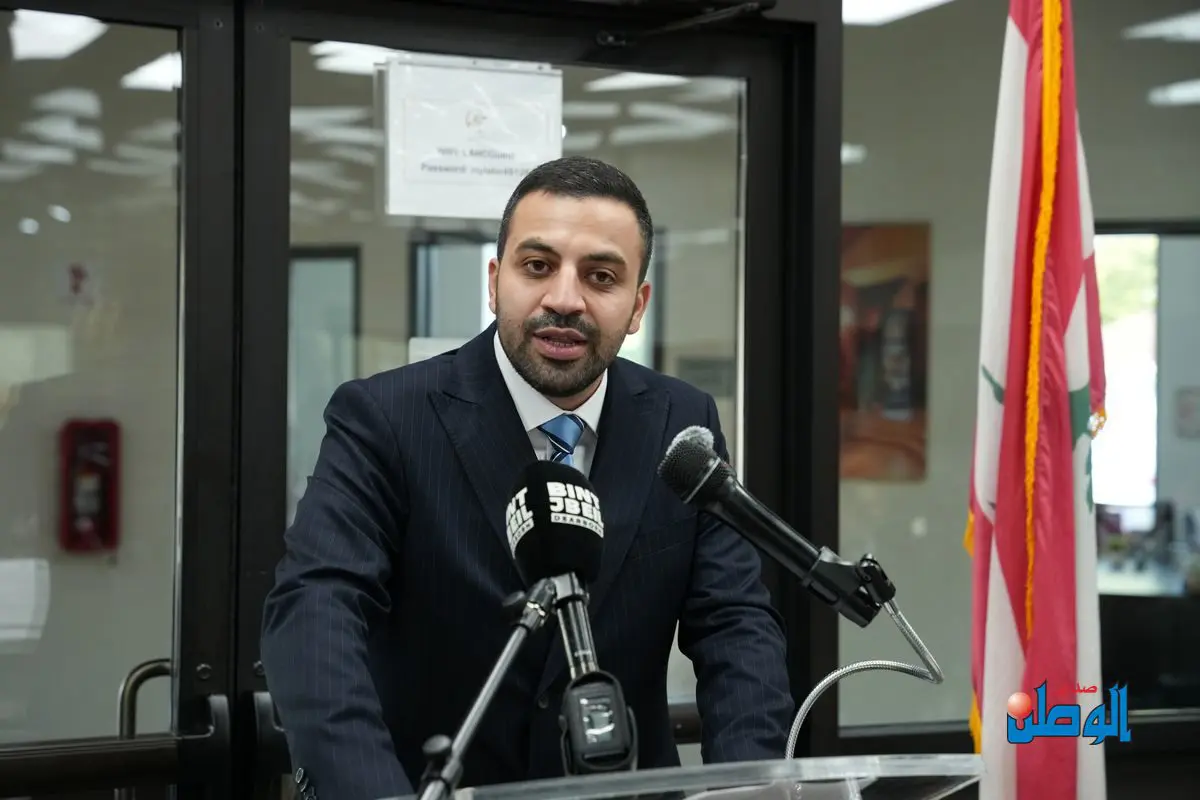
Opening the reception, Osama Siblani, publisher of The Arab American News, welcomed Ambassador Moawad and praised what he described as “a meaningful initiative to reconnect Lebanese diplomacy in Washington with the active Lebanese communities in the United States.”
Siblani highlighted the pivotal role and growing influence of Michigan’s Lebanese community, describing it as one of the cornerstones of public life in the Great Lakes State — economically, socially and politically.
He noted that Lebanese in Michigan “did not stop at individual success”, but through decades of collective effort built a strong network of media, business, medical and educational institutions that contribute significantly to the state’s development and embody its spirit of diversity.
Siblani introduced several Lebanese American elected officials and noted the community’s increasing political influence through engaging, organizing and voting.
“The increasingly political influence of this community was a major contributor to calling the city of Dearborn the capital of Arab Americans. And, it’s just the beginning.”
Calls for continued advocacy
Dearborn Chief Judge Sam Salamey urged the ambassador to intensify her engagement with U.S. policymakers “to support Lebanon and assist in rebuilding areas devastated by Israeli attacks over the past year”, stressing that “Lebanon’s voice in Washington must remain strong and effective.”
Lebanese Consul General in Detroit Ibrahim Charara also addressed the gathering, opening his remarks by asking attendees to observe a moment of silence for the victims of the recent Bint Jbeil massacre, which claimed the lives of three children, their father and another relative. He expressed his deep dismay over Israel’s continued assaults on various Lebanese regions and reaffirmed the Detroit-area Lebanese community’s steadfast support for its homeland “through actions, not words.”
“I arrived in Michigan just 10 days ago, amid the tragedy that shook our Lebanese community in Dearborn — the murder of three children and their father from the Sharara family in southern Lebanon, who have strong roots here,” Charara said. “These 10 days have passed like moments, filled with love, warmth and support from our people here, and with what I have seen — creative talents, brilliant minds and exceptional individuals.”
He praised Michigan’s Lebanese community as “a unique model of unity in diversity”, commending its institutions, mosques and churches for reflecting “Lebanon’s true image of coexistence and solidarity.” He also expressed hope for greater coordination between the embassy and consulate to serve both Lebanon and its expatriates.
Ambassador Moawad: “You are Lebanon’s true ambassadors”
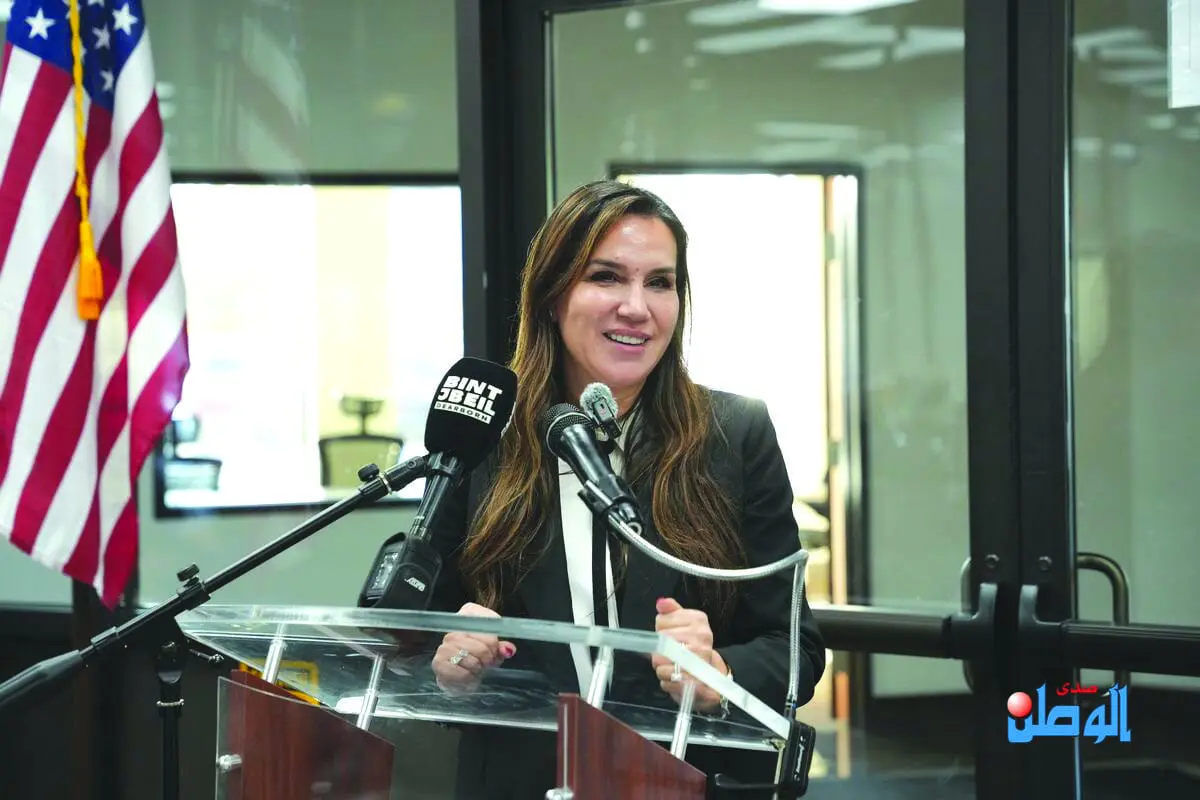
In her address, Ambassador Moawad thanked Lebanese Americans in Michigan for their warmth and hospitality during what she called a “wonderful and inspiring visit by all measures.”
“The Lebanese community in Michigan is truly exceptional,” she said. “It is warm, generous and deeply welcoming. I feel great pride representing Lebanon before such a vibrant and accomplished community. Lebanese abroad are the true ambassadors of Lebanon to the world.”
Moawad described her Michigan trip as the beginning of a new phase of outreach and engagement with Lebanese communities across the United States.
“Lebanon draws its strength from its people around the world,” she added. “You are its shining face in America. The unity of our communities abroad is essential to Lebanon’s journey toward stability and prosperity.”
Later the same day, Wednesday, October 3, Moawad visited the Maronite Eparchy of St. Sharbel in Clinton Township, where she was received by community leaders and Father Alfred Badawi, the parish pastor.
In her remarks, she emphasized the resilience and unity of Lebanese abroad, despite internal divisions back home, stressing their vital role in Lebanon’s reconstruction and advancement.
“It is time,” she said, “to channel our success and excellence toward Lebanon — to help create opportunities, promote economic growth and work toward a ‘Lebanese Dream,’ just as there is an American Dream here in the United States.”
A distinguished career
Ambassador Moawad is a prominent Lebanese figure in diplomacy and public policy. She hails from Baaqline in the Chouf District, from a family known for its academic and professional achievements.
Before joining the diplomatic corps, Moawad held senior positions in the private sector, including serving as head of department at MMedical Group, a major U.S.-based pharmaceutical company.
A graduate of George Washington University, she specialized in economics and finance and earned additional certifications in international relations and institutional management. She is recognized for her extensive experience in international cooperation and economic development, and for her policy work with the Middle East Institute in Washington.
She previously worked with the World Bank and was an active member of the American Task Force for Lebanon (ATFL).


Leave a Reply