



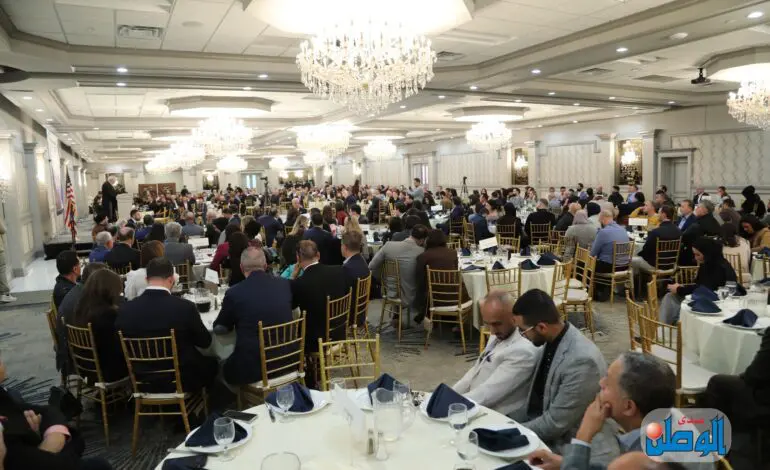

DEARBORN — In the lead up to the November 4 local elections, the Arab American Political Action Committee (AAPAC) announced its list of endorsed candidates running in the municipal races in Dearborn and Dearborn Heights, during its well-attended 28th annual banquet held Wednesday at Byblos Banquet Center in Dearborn.
The event, themed around community unity and strong voter participation, drew a packed crowd of elected officials, community leaders and public figures from across Metro Detroit’s Arab American community.
Those in attendance included Lt. Governor Garlin Gilchrist II, U.S. Rep. Rashida Tlaib, Wayne County Deputy Executive Assad Turfe, Wayne County Sheriff Raphael Washington, Wayne County Undersheriff Mike Jaafar, Wayne County Treasurer Eric Sabree, State Representative Alabas Farhat of Dearborn, Michigan Court of Appeals Judge Mariam Saad Bazzi, Dearborn Judges Sam Salamey, Gene Hunt and Mark Somers, Hamtramck Judge Alexis Krot, Dearborn Magistrate Ali Hammoud and Lebanese Consul General in Detroit Ibrahim Charara, along with dozens of county judges, civic, business and educational leaders.
AAPAC’s endorsed candidates
AAPAC’s endorsements covered key municipal contests in both Dearborn and Dearborn Heights. Endorsed candidates include Dearborn Mayor Abdullah Hammoud, who is seeking a second four-year term, and Dearborn Heights Mayor Mo Baydoun, who is running to continue leading his city for another term.
For Dearborn City Council, AAPAC endorsed Council President Mike Sareini and incumbent Council members Mustapha Hammoud and Robert Abraham, along with challengers Othman Alaansi and Shadi Mawari. For Dearborn City Clerk, the committee endorsed Sami Elhady, and for Dearborn Heights City Council, Councilman Hassan Ahmad.
AAPAC also announced its opposition to Proposal 1, the ballot initiative seeking to divide Dearborn into seven City Council districts, warning that the measure could “undermine the city’s cultural and ethnic unity.”
Community activist Hassan Abdallah said the proposal represents “an attack on Dearborn’s diversity and cohesion at a time when our unity must be protected more than ever.”
Mayors call for unity and civic engagement
In remarks at the event, Mayor Baydoun said Arab Americans in Michigan and across the U.S. are facing “a difficult and critical moment”, citing recent campaigns of defamation and bias, including attacks on Osama Siblani, publisher of The Arab American News, following the County’s decision to rename a section of Warren Avenue in his honor.
Baydoun thanked Wayne County officials for recognizing Siblani’s decades of leadership and public service, and said Arab Americans should “take pride in their identity and growing influence” across Michigan.
“As an Arab American, I know I may be targeted,” Baydoun said. “But that will never stop me from working to lead Dearborn Heights toward progress for all residents.”
He pledged to continue addressing citywide challenges and improving quality of life for all residents, regardless of background or ethnicity.
Mayor Hammoud also highlighted his city’s religious and cultural diversity, noting that, “Dearborn is one of the few places in Michigan where churches and mosques stand side by side — a symbol of harmony that bothers those who wish to see this great city fail.”
“Dearborn is the second-fastest-growing city in Michigan,” Hammoud said. “Our success comes not only from being home to Ford Motor Company, but from our support of small businesses. In the past year alone, nearly 100 new businesses have opened in the city.”
Hammoud, who is running for his second term, said his campaign is rooted in transparency and integrity — “not personal attacks based on religion or ethnicity.”
“If you don’t vote, don’t complain,” he told the crowd. “Your voices are your power. Vote not just for your children, but for every generation to come in our great city.”
Gilchrist praises AAPAC’s leadership
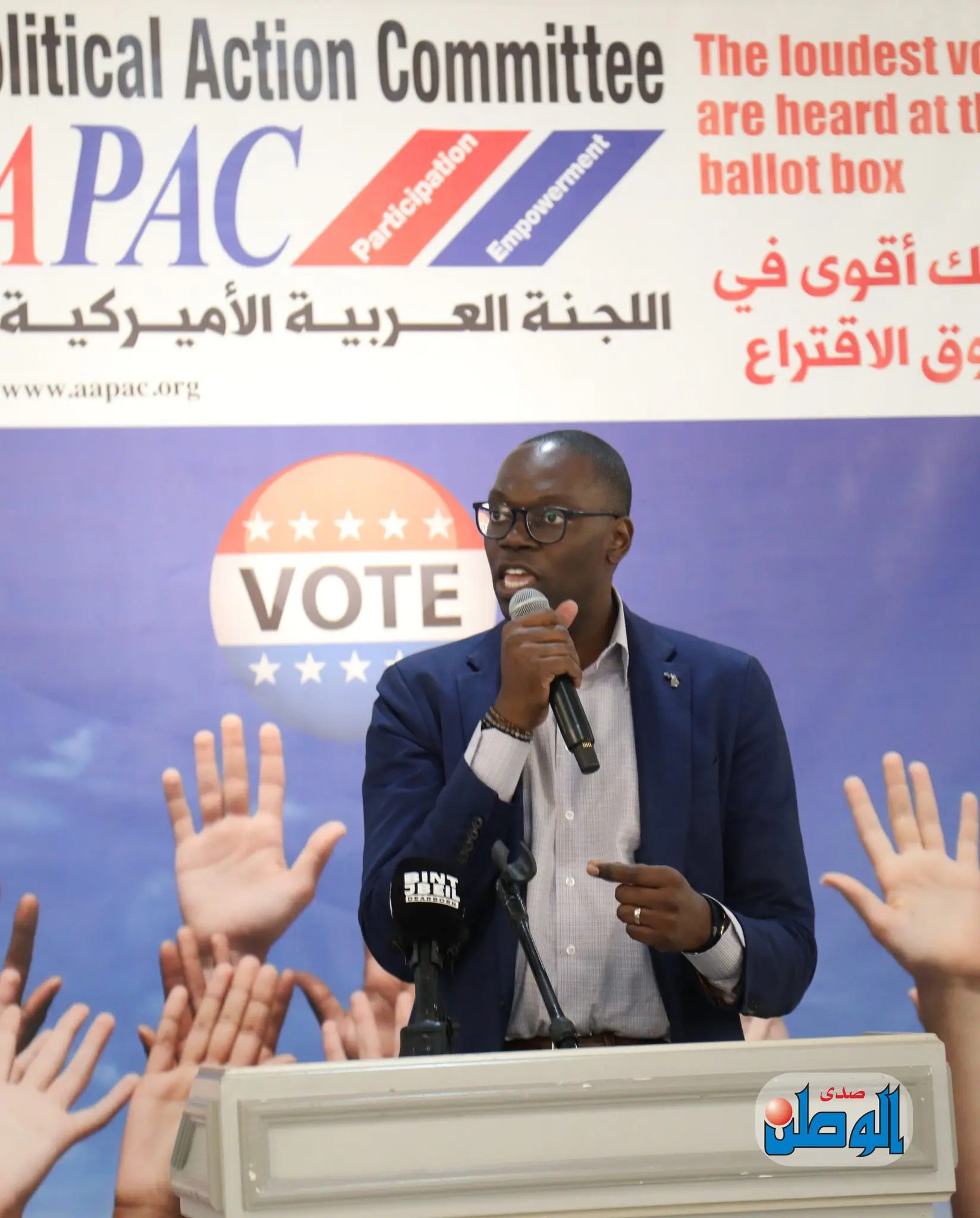
Lt. Gov. Gilchrist commended AAPAC for advancing Arab American civic participation and strengthening Michigan’s political fabric.
“The history, present and future of Michigan are more prosperous because of the Arab American community,” Gilchrist said. “Thank you for being proud, strong and committed to moving all of us forward.”
Gilchrist, who is expected to compete in next year’s Democratic gubernatorial primary, noted that AAPAC’s mission extends beyond supporting Arab American candidates.
“AAPAC supports the best candidates — those who lead with integrity and represent their communities with dedication,” he said. “That’s the kind of civic engagement we need now more than ever.”
He also warned of the “dangerous and divisive political climate” in America, urging courage and truth-telling — especially regarding the genocide in Gaza and the harmful impact of corporate power on working-class communities.
“AAPAC has embodied conscience — not only in politics, but in how Michigan should be governed,” he said.
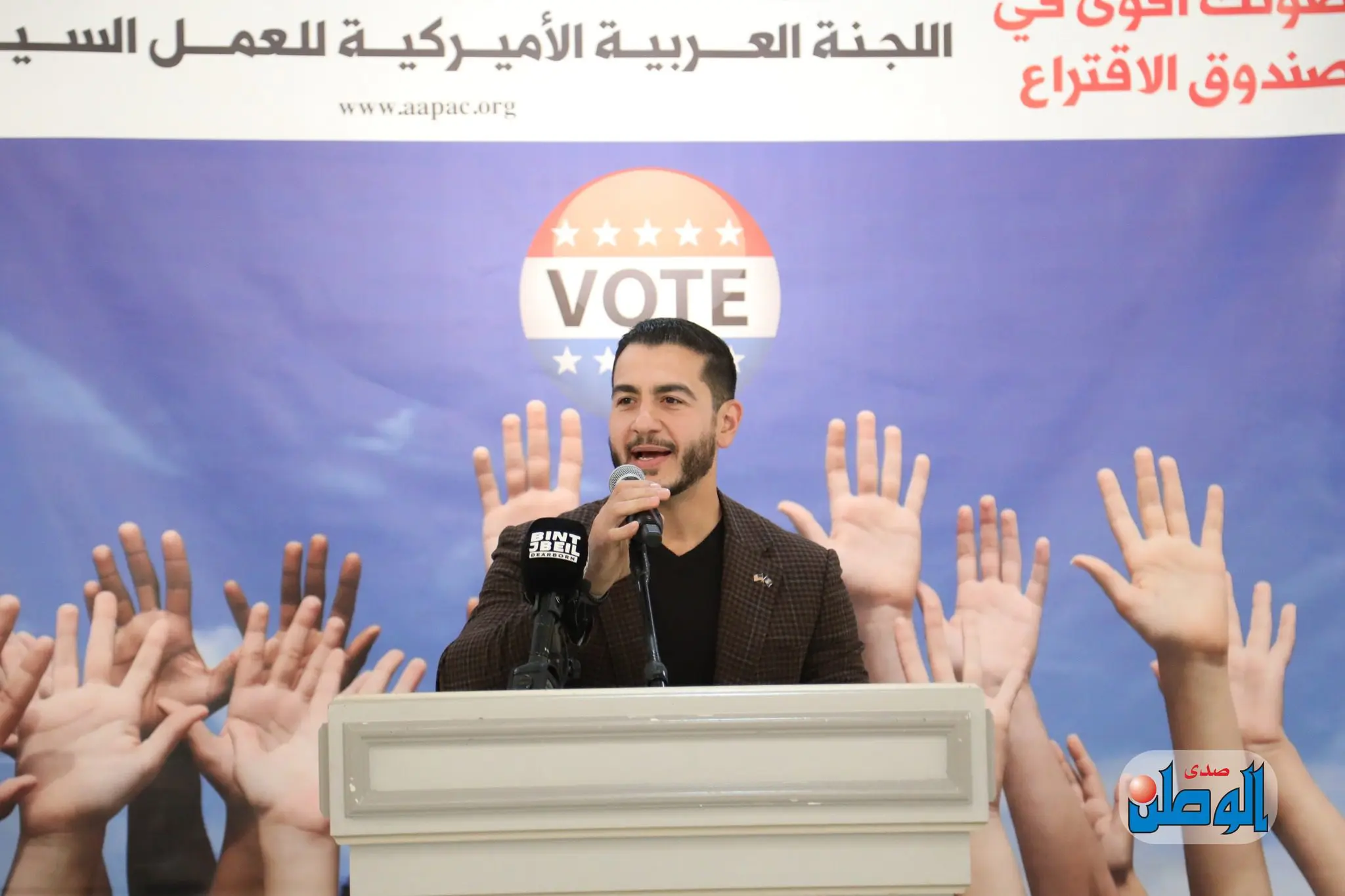
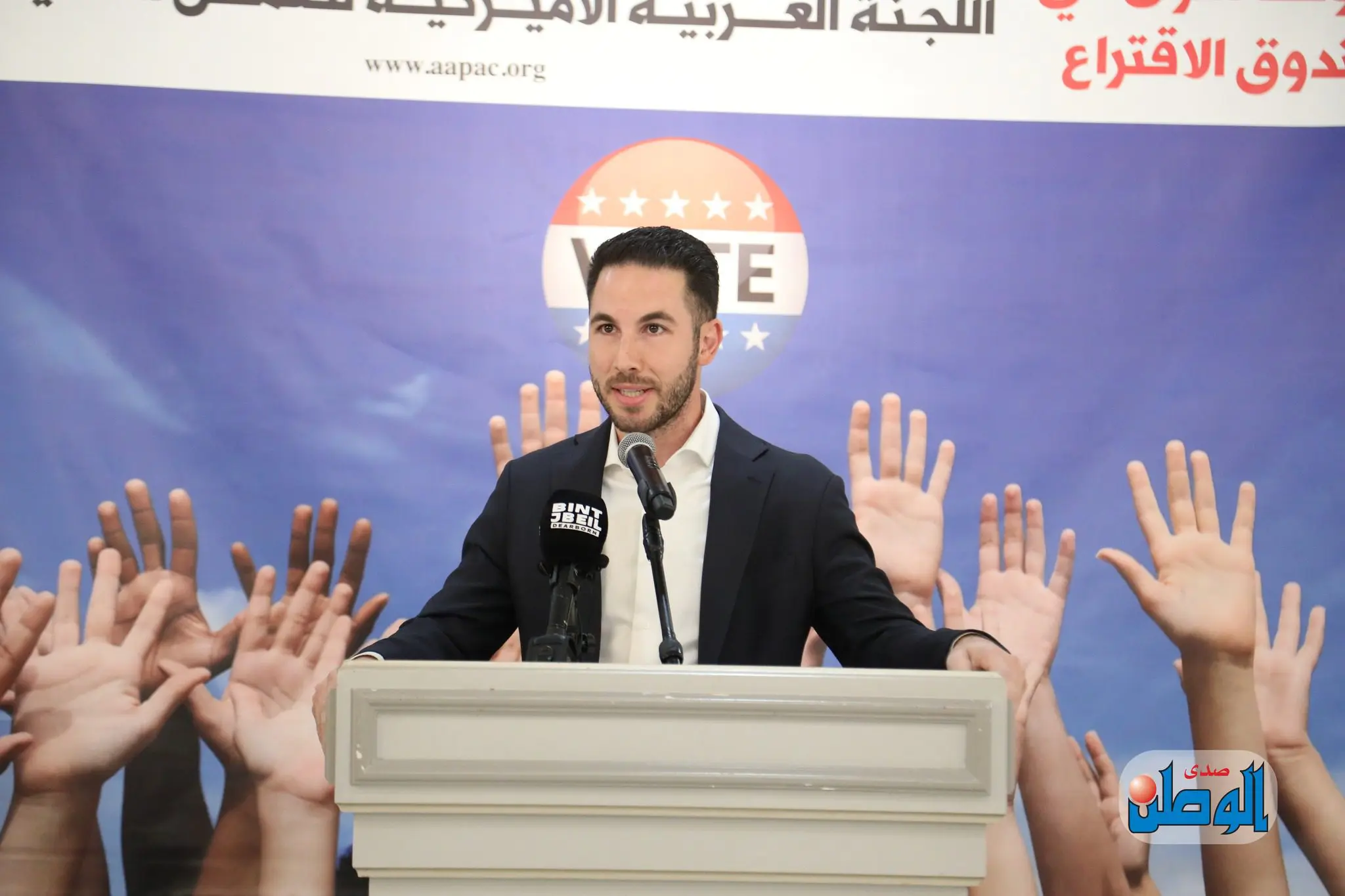
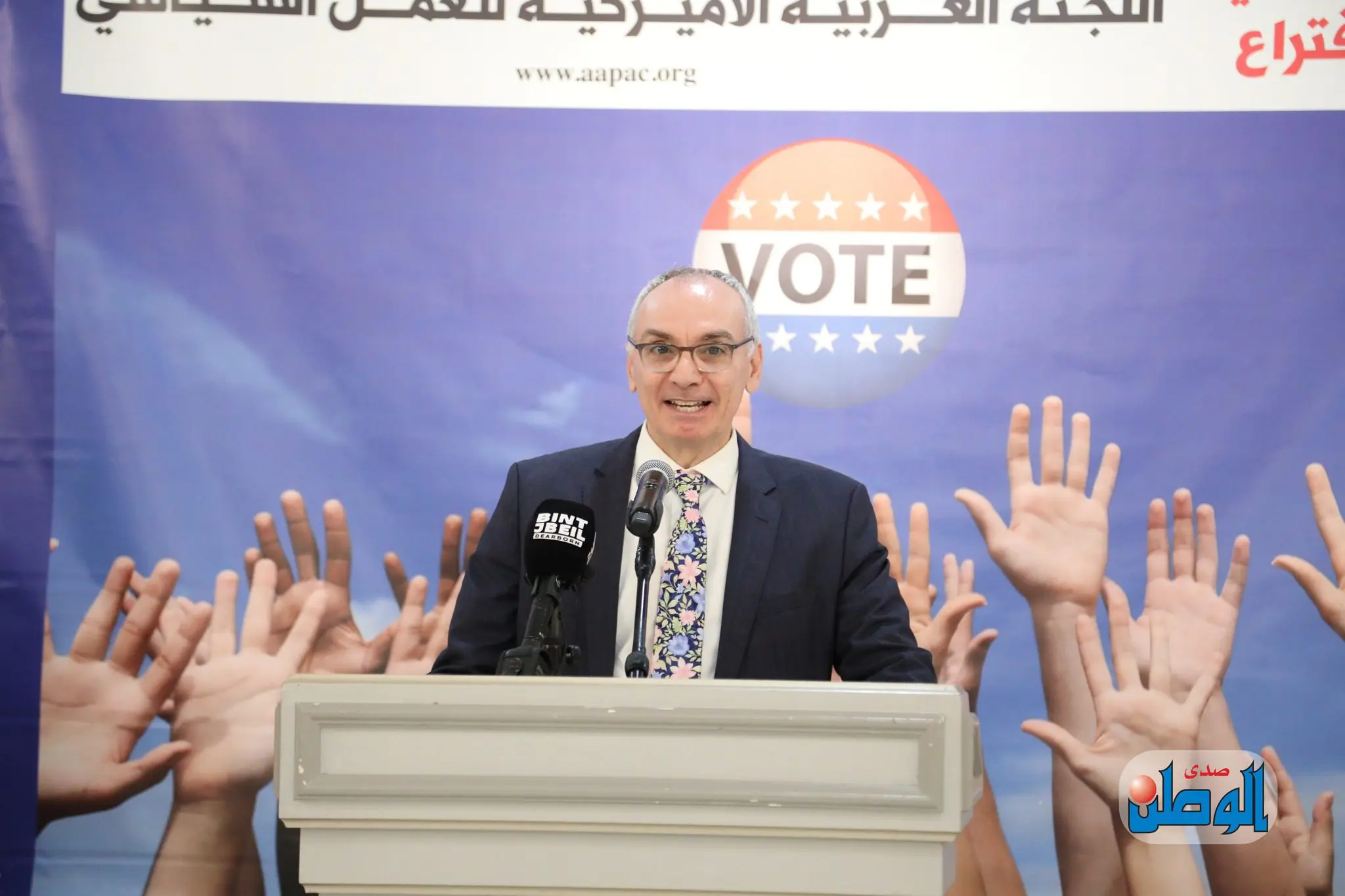
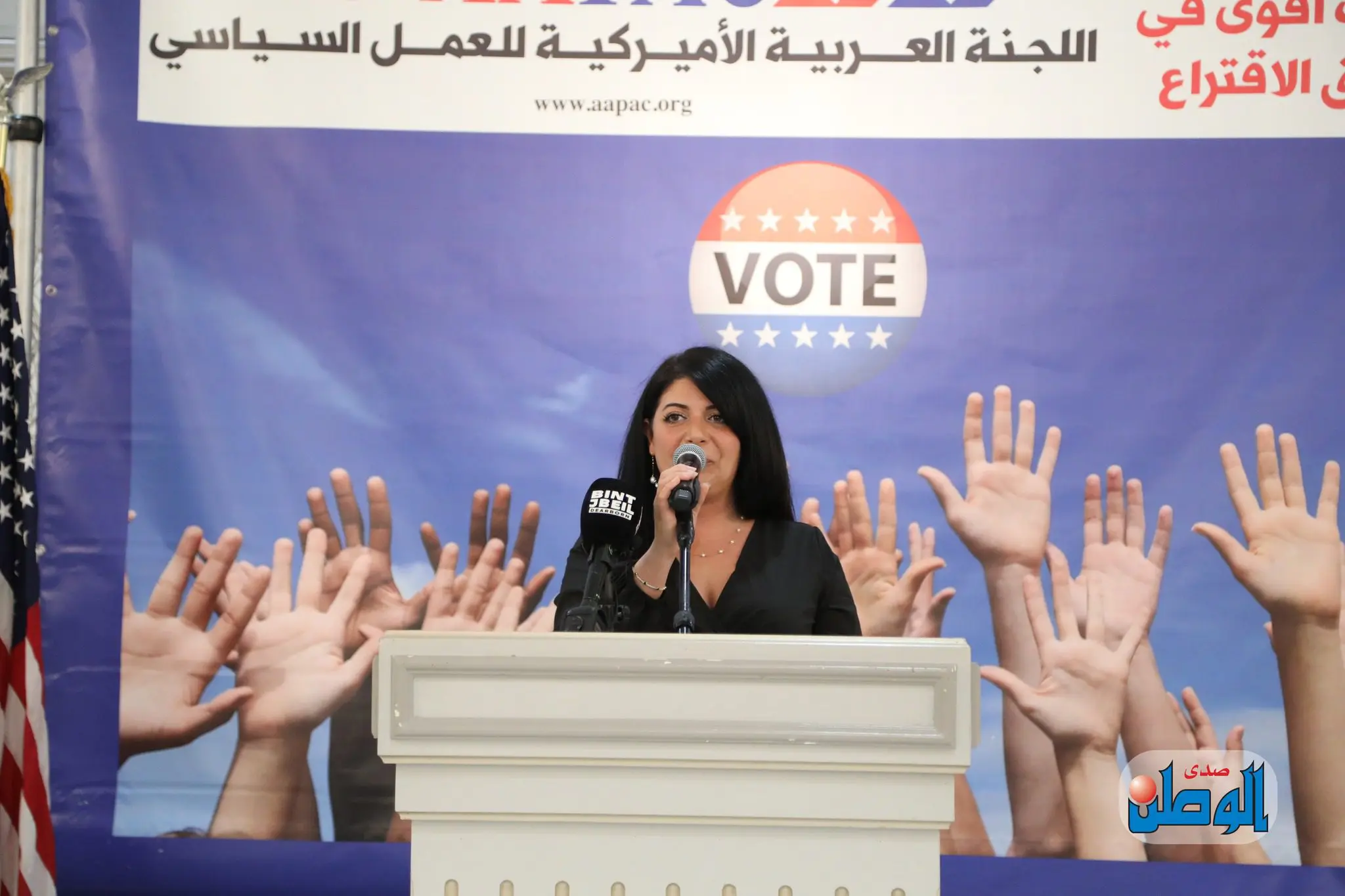
“For nearly three decades, AAPAC has been a driving force — breaking barriers and amplifying our community’s political voice across Michigan and the United States.”— Osama Siblani.
Siblani: “Our voices and unity are our power”
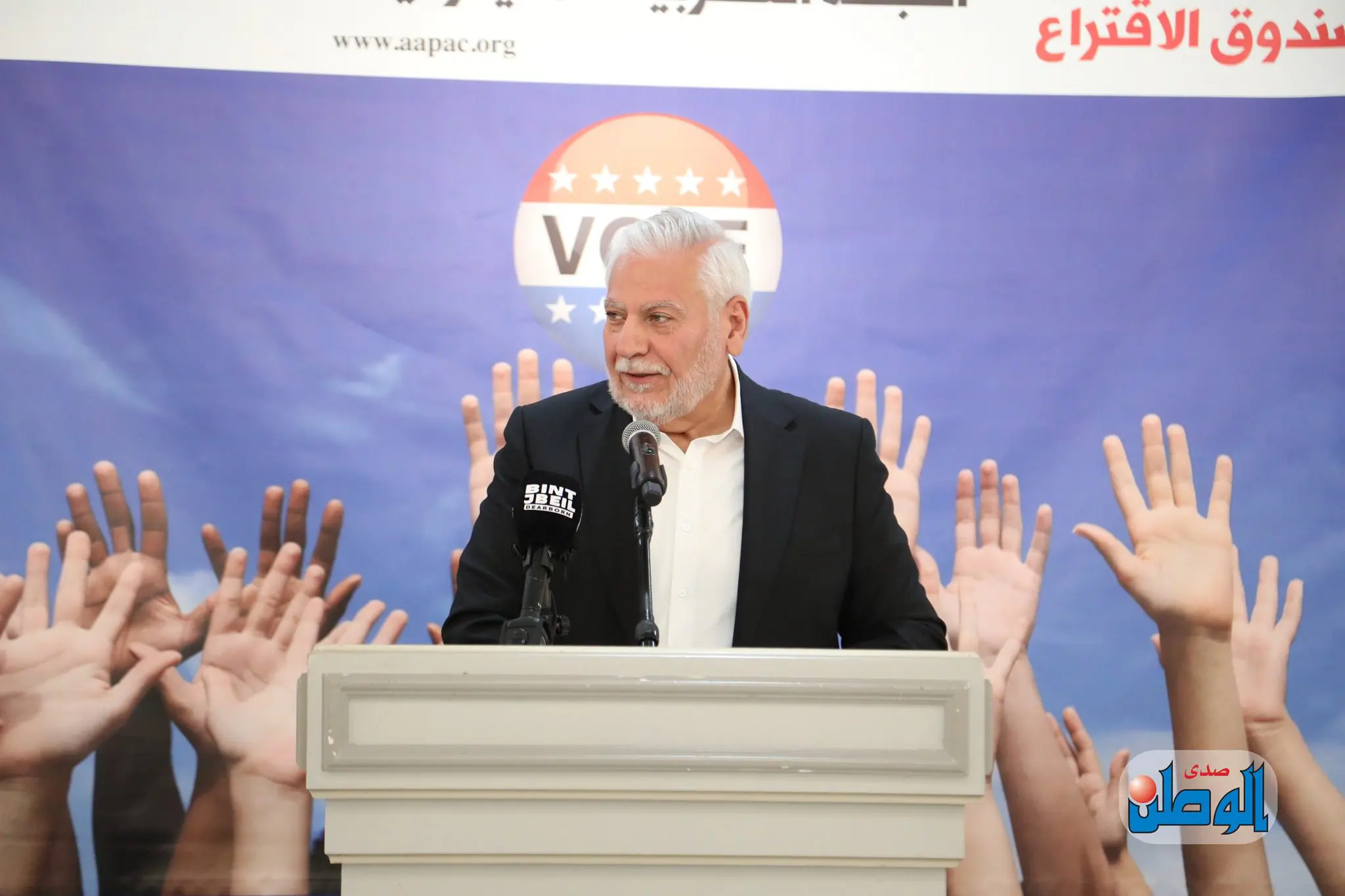
In his keynote address, Siblani thanked the community for its unwavering support since the committee’s founding in 1998, and expressed gratitude to outgoing president Farah Hoballah, Michigan Court of Appeals Judge Mariam Saad Bazzi, Dearborn Heights Magistrate Mona Fadlallah, Dearborn Magistrate Ali Hammoud and former Assistant U.S. Attorney Abed Hammoud.
“For nearly three decades, AAPAC has been a driving force — breaking barriers and amplifying our community’s political voice across Michigan and the United States,” Siblani said.
He recalled how far Arab Americans in Dearborn have come since the late Mayor Michael Guido once labeled them “the problem.”
“Look where we are now,” Siblani said. “We are not the problem — we are the solution.”
He pointed to the economic revival of West Dearborn, once neglected for decades, now “vibrant with families and businesses, thanks to Mayor Hammoud’s leadership.”
“While many cities are losing residents, Dearborn and Dearborn Heights are growing — not just because of new births, but because of vision, hard work and honest leadership,” he said. “That is the contribution of Arab Americans in Michigan.”
Siblani noted that AAPAC refrained from endorsing any presidential candidates in 2024, citing both major contenders’ failure to acknowledge Arab American suffering amid Israel’s wars on Gaza, Lebanon, Syria and Yemen.
“We were proven right,” he said. “Both candidates proved to be equally disastrous. The Trump administration made America complicit in the killing of innocent people through its unconditional support for Israel. But we will not remain silent — no matter the cost.”
He urged Arab Americans to prepare for the crucial 2026 Michigan elections, including races for governor and the U.S. Senate, stressing that Arab American voters will be decisive.
“We will determine who will go to Lansing and who will go to Washington,” Siblani said. “Our votes matter — but our unity matters even more. We will not let anyone divide us or pit us against each other. When we vote, we win. And when we win, our entire community rises.”
Abdul El-Sayed: “AAPAC bridges Arab and American identity”
Dr. Abdul El-Sayed, Democratic candidate for the U.S. Senate in Michigan, praised AAPAC’s role in fostering dialogue between Arab and American identities.
“AAPAC embodies the continuous conversation between where we come from and where we are,” said El Sayed, whose father immigrated from Egypt and whose mother’s family settled in America before the Civil War.
El-Sayed, a public health expert and former Detroit health director, criticized U.S. politicians for approving $22 billion in aid to Israel amid the devastation in Gaza.
“Instead of funding war and genocide, we should invest in health care for our children and better schools for our communities,” he said. “America should be improving lives, not financing the killing of others.”
Recognition and community pride
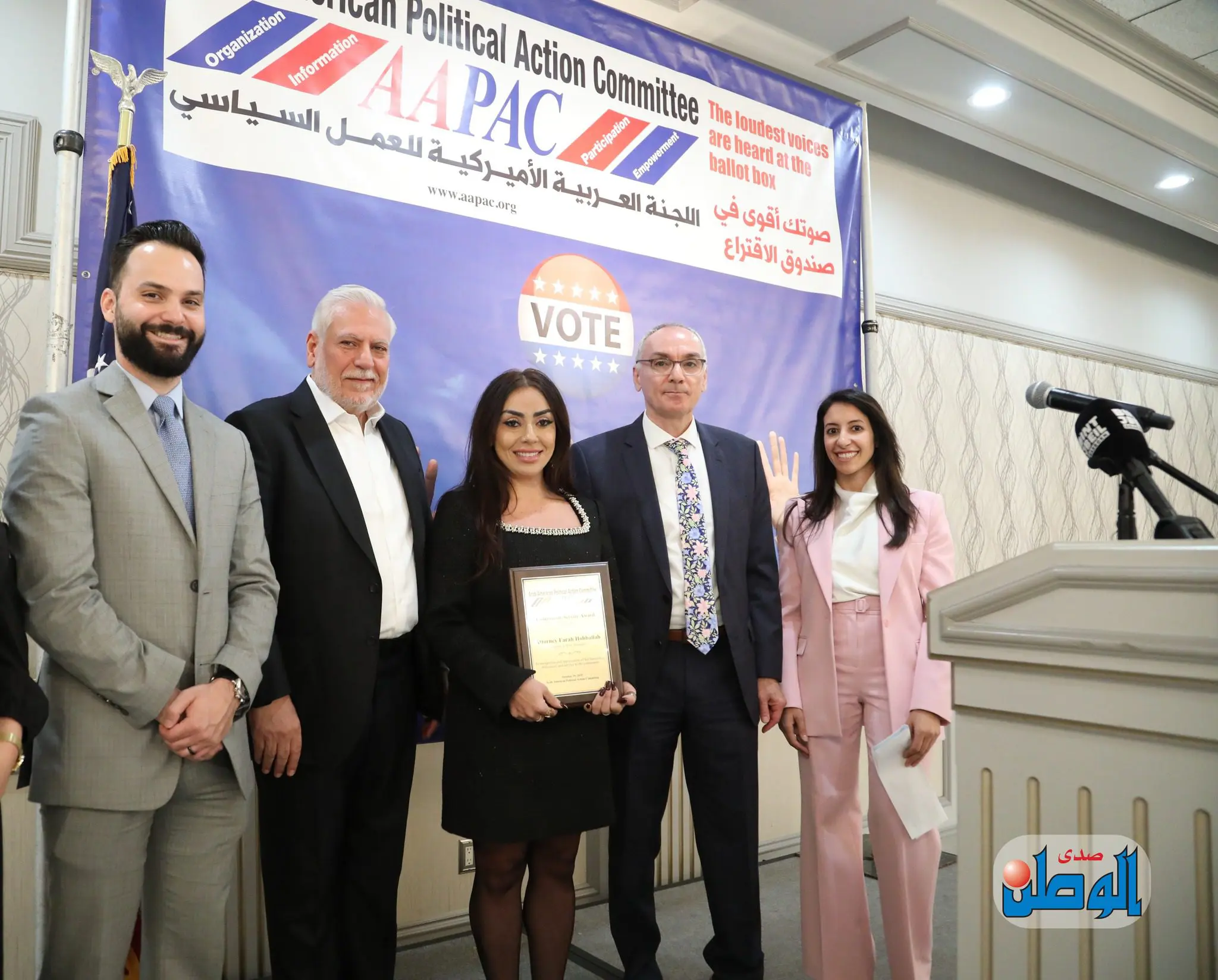
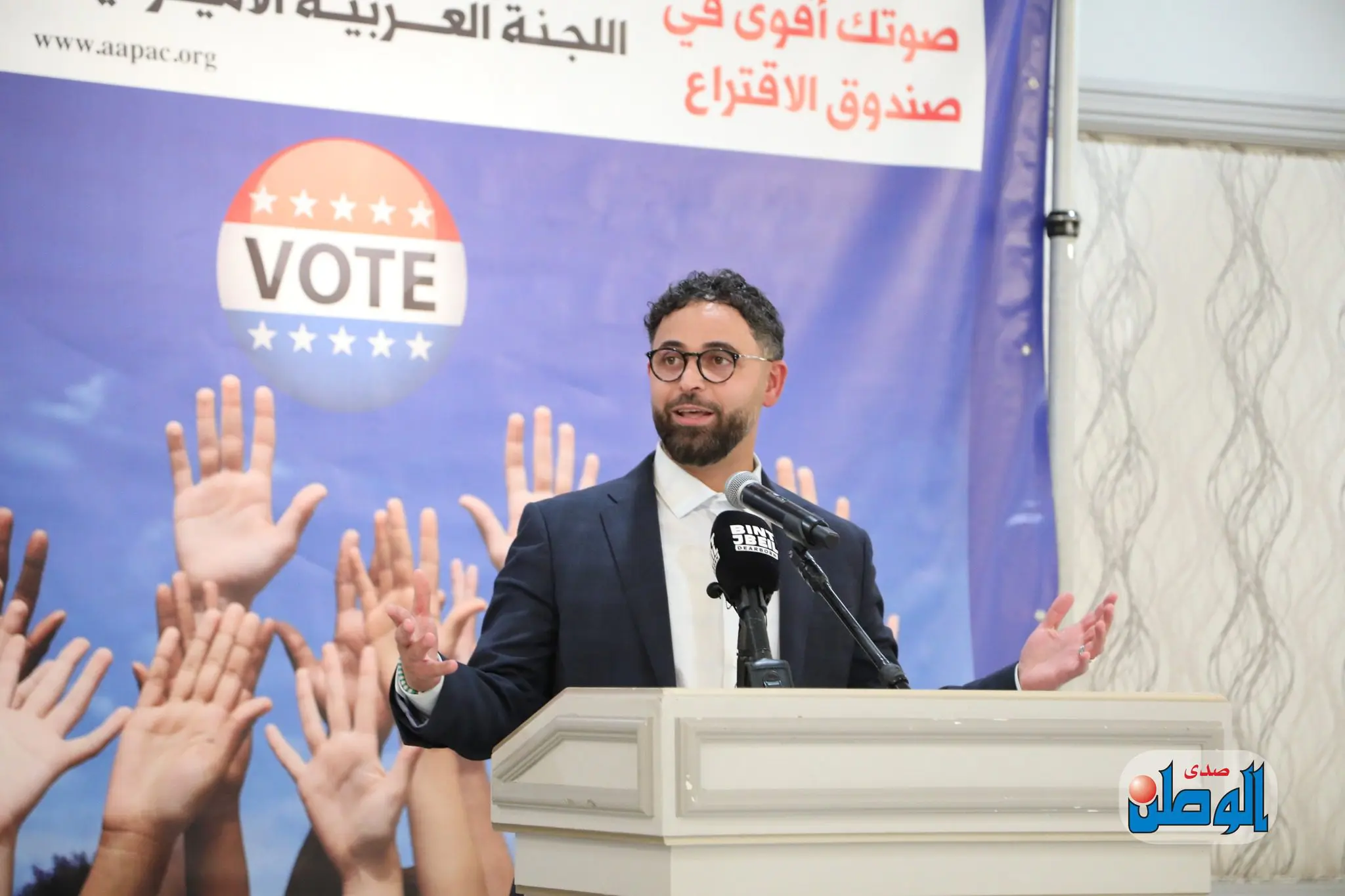
The event, emceed by Soujoud Hamade, a local attorney, also featured a special recognition for Hoballah, AAPAC’s immediate past president, who was honored with the Community Service Award, presented by Abed Hammoud for her “dedicated leadership and commitment” over the past two years.
The program also highlighted AAPAC’s major milestones since its founding and its pivotal role in shaping Arab American political engagement in Michigan.


Leave a Reply