



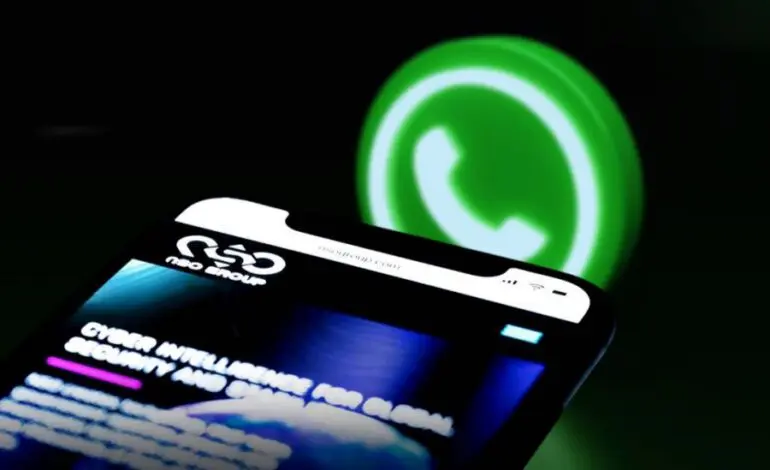

SAN FRANCISCO — Last week, a federal court in Northern California issued an injunction prohibiting the Israeli spyware company NSO Group from targeting and spying on users of WhatsApp, one of the world’s most widely used communication platforms, according to Reuters.
However, the ruling by Judge Phyllis Hamilton significantly reduced the damages the Israeli company was ordered to pay Meta, the parent company of WhatsApp — from $167 million to $4 million. The judge said NSO’s conduct did not rise to the level of being “sufficiently egregious” to justify the larger financial penalty set earlier by a jury.
In the 25-page decision, Judge Hamilton wrote that the court “concluded that the defendants’ conduct causes irreparable harm and, given there is no dispute over its continuation”, granted Meta’s request for an injunction to halt NSO Group’s spying operations against WhatsApp users.
The ruling prevents NSO Group, the spyware manufacturer, from targeting WhatsApp and our users around the world ever again. — Will Cathcart, CEO of WhatsApp
The injunction represents a major setback for NSO Group, which for years has faced accusations of facilitating human rights abuses through its flagship hacking software, Pegasus.
Founded in 2010 by Shalev Hulio and Omri Lavie, NSO Group is based in Herzliya, a wealthy coastal city near Tel Aviv known as a major high-tech and startup hub.
According to TechCrunch, the company was recently acquired by an American investment group led by Hollywood producer Robert Simonds.
NSO produces the Pegasus spyware, a highly invasive surveillance tool that, according to reports, can activate a target’s phone camera and microphone, access stored data and turn the device into a portable spying tool.
The court found that the Israeli company had reverse-engineered WhatsApp’s code to install spyware that covertly targeted users, and that Pegasus was repeatedly redesigned to evade detection and bypass WhatsApp’s security updates.
The lawsuit, filed in late 2019, accused NSO Group of conducting cyber-espionage against journalists, lawyers, human rights activists and other users of the encrypted messaging platform.
NSO argued that the injunction would “put the entire company at risk and force it out of business”, claiming it licenses its technology only to governments for combating crime and terrorism.
Pegasus has turned smartphones into weapons of espionage, and NSO’s legal troubles show the world is finally pushing back. — Digital rights advocate
“Today’s ruling bans spyware maker NSO from ever targeting WhatsApp and our global users again,” WhatsApp chief Will Cathcart said on X. “We applaud this decision that comes after six years of litigation to hold NSO accountable for targeting members of civil society.”
NSO Group’s global legal troubles
The NSO Group has been embroiled in numerous international lawsuits and controversies over its spyware technology, Pegasus, which has been allegedly used by authoritarian governments to target journalists, dissidents and activists.
-
In 2021, Apple filed a lawsuit against NSO, accusing the company of using its spyware to infiltrate iPhones and monitor users without consent. Apple also sought a permanent injunction banning NSO from using any of its software, services or devices.
-
That same year, the U.S. Department of Commerce placed NSO Group on its Entity List (trade blacklist), citing its involvement in “malicious cyber activities” that threaten the privacy and security of individuals worldwide.
-
Investigations by global media outlets — including the Guardian, the Washington Post and Amnesty International’s Pegasus Project — revealed that Pegasus had been used to hack the phones of journalists, politicians, diplomats and even heads of state in multiple countries.
-
Despite denials, NSO continues to face international scrutiny, and many experts say the company has become a symbol of the growing dangers of state-sponsored digital surveillance.



Leave a Reply