


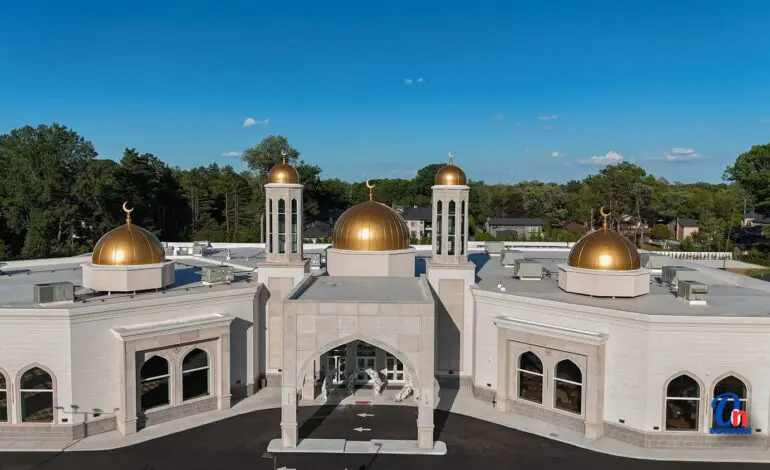

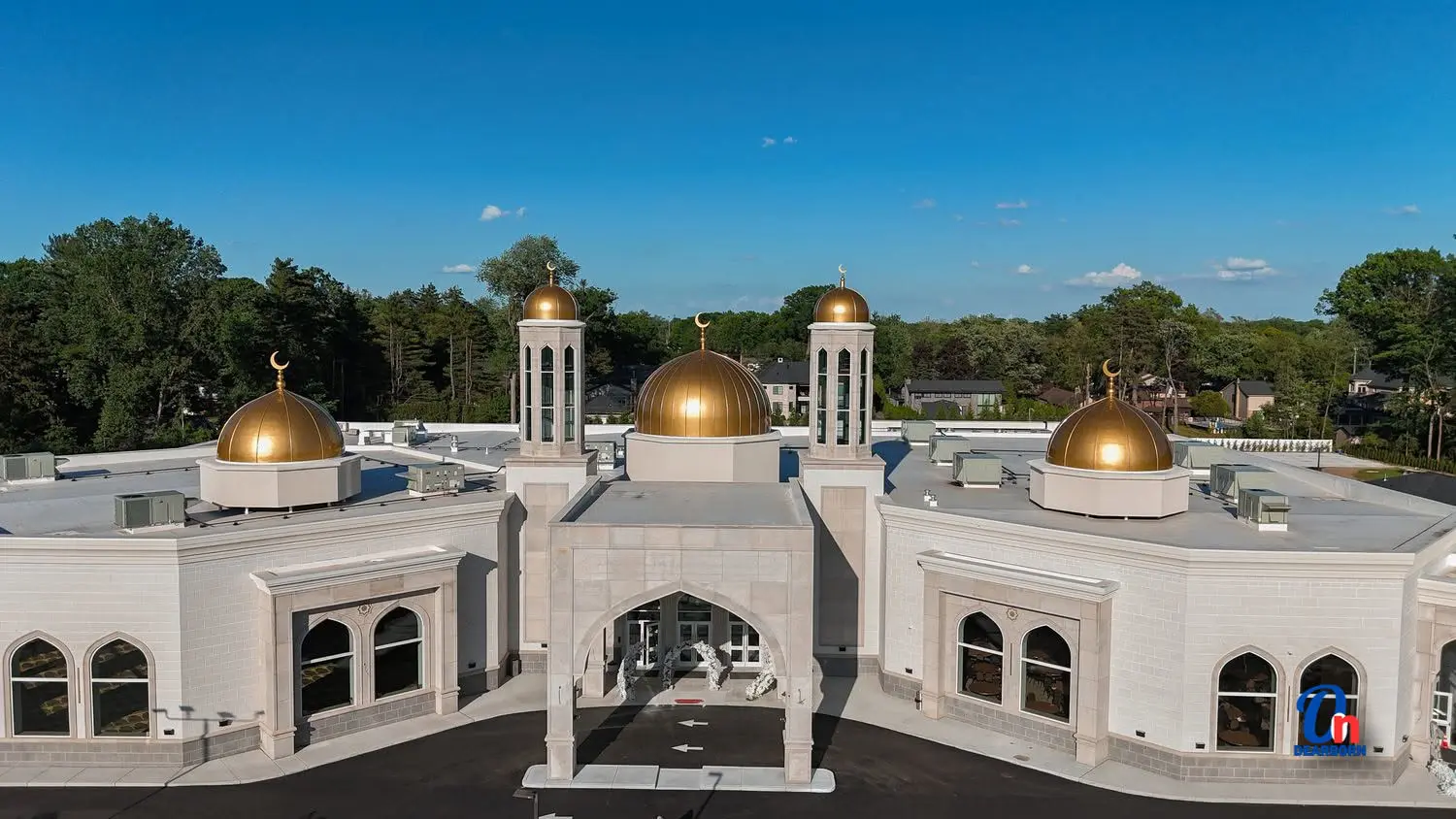
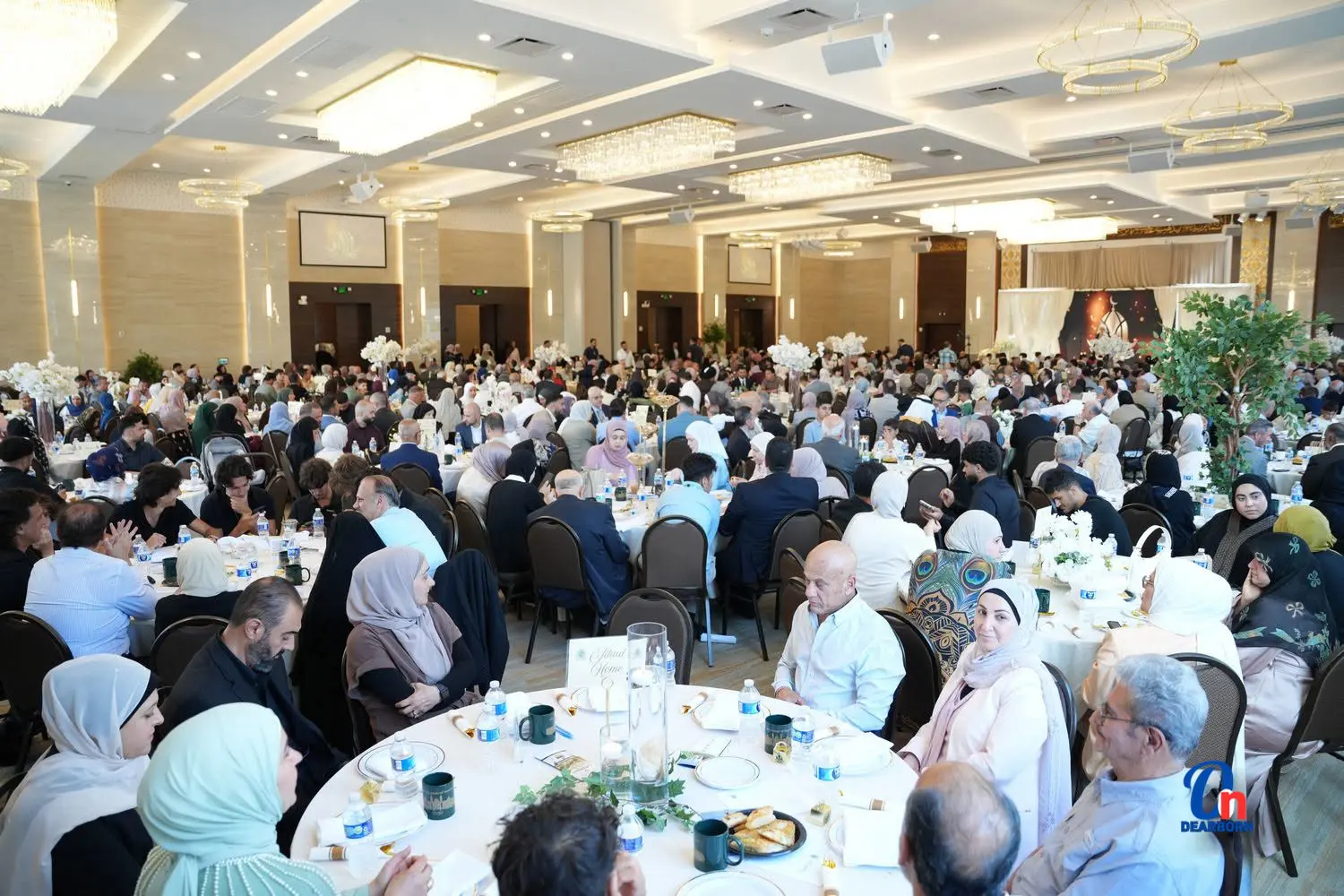
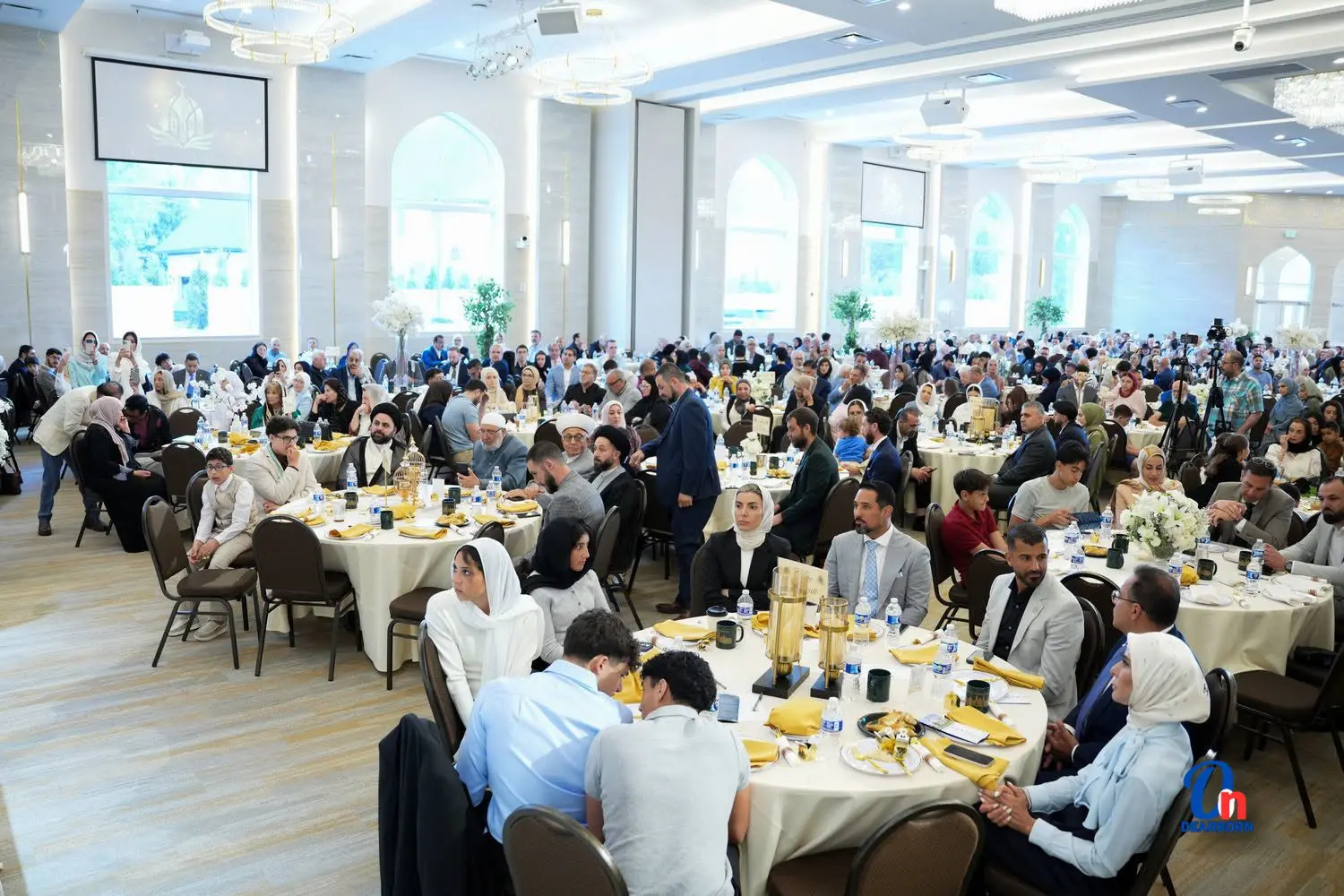
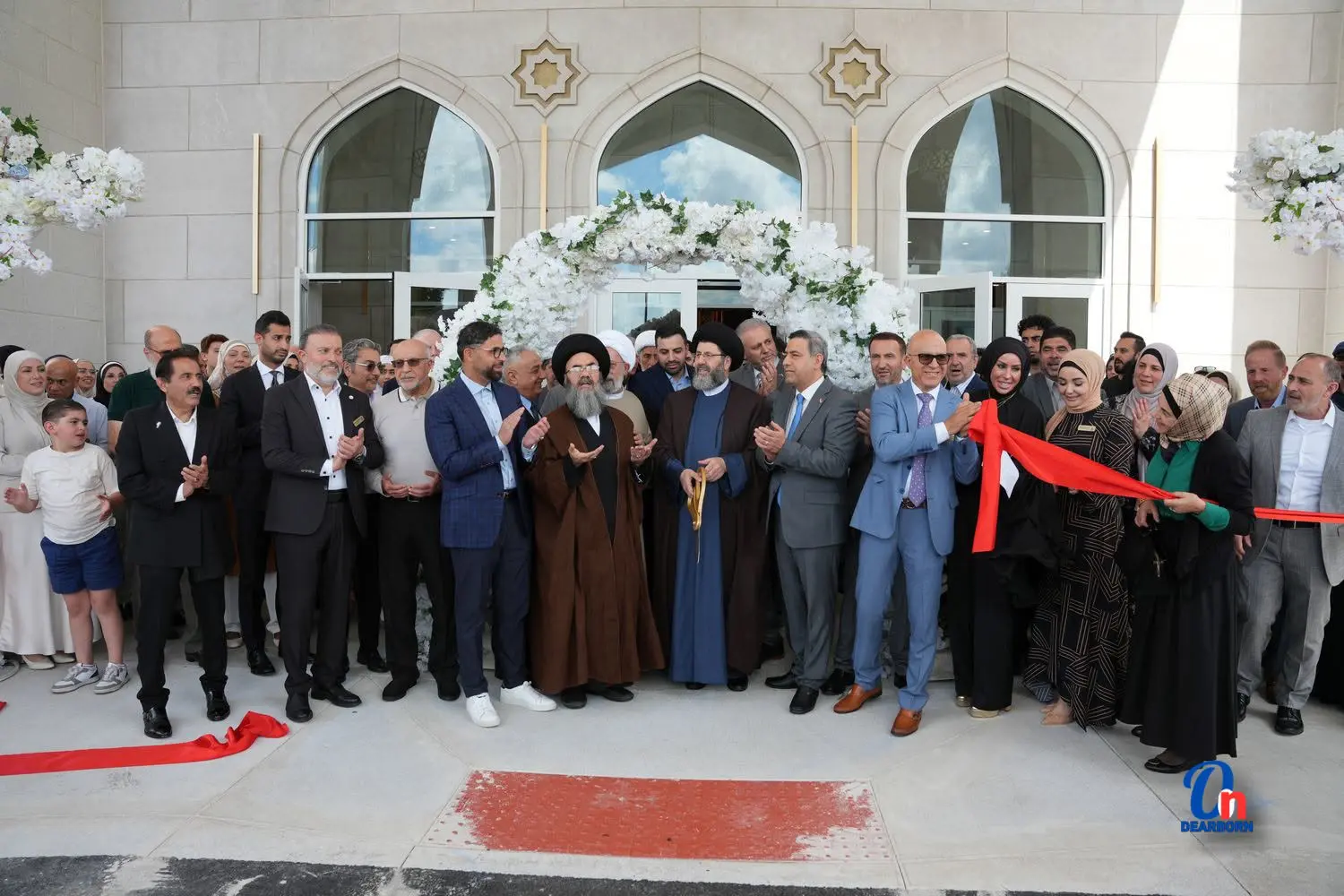
DEARBORN HEIGHTS — Hundreds of community members, religious leaders, elected officials and dignitaries gathered in Dearborn Heights earlier this month to celebrate the grand opening of the new headquarters of the Islamic Institute of America (IIOA) and the inauguration of the Imam Al-Hasanain Mosque, a $16 million project that community leaders describe as one of the largest and most significant Islamic developments in Michigan in recent years.
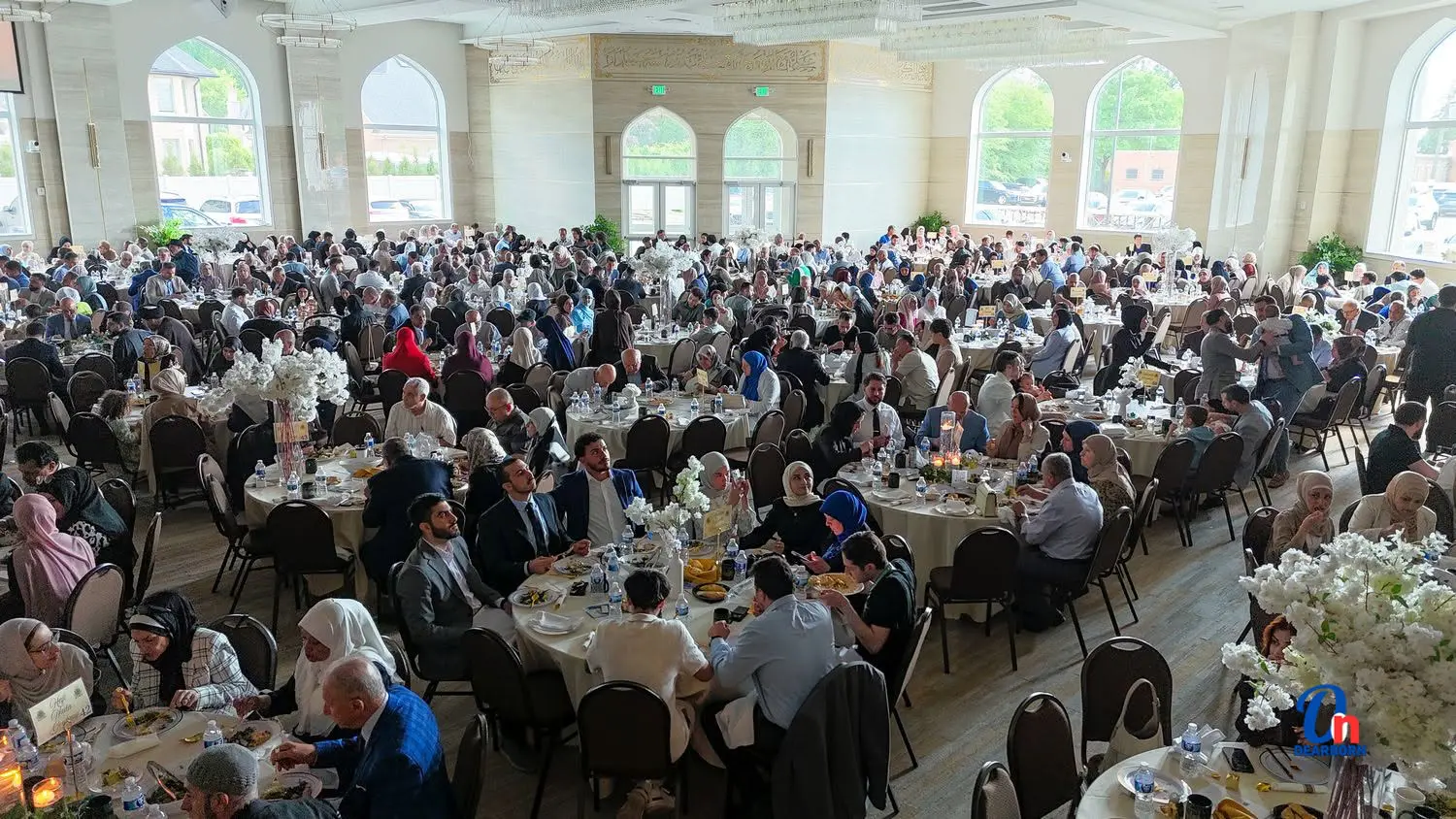
The two-day celebration marked a major milestone for the Islamic Institute of America, founded in 2015 by Sayed Hassan Qazwini. The festivities included the first official Friday prayer service at the mosque on June 5, followed by a formal dedication ceremony and gala dinner the following evening at the newly completed Imam Al-Muttaqeen Hall.
Built on seven acres, the new complex encompasses approximately 60,000 square feet and includes the Imam Al-Hasanain Mosque, educational and youth facilities, cultural and community spaces, a commercial kitchen and parking for more than 500 vehicles. The mosque itself can accommodate more than 1,100 worshippers and features striking golden domes that have already made it a prominent landmark in Metro Detroit’s religious landscape.
A landmark project years in the making
The project was developed in response to growing attendance at the Islamic Institute of America’s former facility on Ford Road in Dearborn Heights, which had become increasingly overcrowded during Ramadan, Eid celebrations and major community events. Community leaders said the need for a larger facility became urgent as participation in the Institute’s educational, religious and youth programs continued to expand.
A key factor in making the project possible was the contribution of local businessman Mike Shehadi and his family, who provided the land on which the new center was built. During the opening celebrations, Qazwini repeatedly recognized Shehadi and his wife, Shadia Shehadi, for their support and commitment to the project.
Religious and civic leaders celebrate interfaith cooperation
The opening ceremony attracted a diverse group of religious leaders and public officials, including Detroit Archbishop Edward Weisenburger; Dearborn Heights Mayor Mo Baydoun; Dearborn Mayor Abdullah Hammoud; U.S. Rep. Rashida Tlaib; Democratic U.S. Senate candidate Abdul El-Sayed; Iraqi Consul General in Detroit Mohammed Hassan Saeed Mohammed; Imam Fadhel Al-Sahlani, serving as the representative of Grand Ayatollah Sayyid Ali al-Sistani in North America; and Imam Mohammad Mardini, founder of the American Muslim Center in Michigan. Archbishop Weisenburger praised the spirit of interfaith understanding reflected in the new institution.
“There is no place where I feel more respect, fraternity and kindness,” Weisenburger told the gathering. “From the moment I entered this beautiful site, I felt a profound divine presence.”
He described the mosque as a sacred place that would help strengthen relationships among people of different faiths and deepen their connection to God.
“A home for the community”
Danielle Elzayat, chairwoman of the Islamic Institute of America’s Board of Directors, emphasized that the new facility represents far more than a physical structure.
“Today is more than the opening of a building,” she said. “It is the opening of your home, a home for worship, education, service and community, where future generations will learn, grow, pray and find a sense of belonging.”
She reflected on the organization’s early years, when it lacked a permanent location, and credited volunteers, youth members, donors and the Women’s Club for helping transform the vision into reality.
Leaders emphasize service, identity and community
In remarks during the celebration, El-Sayed stressed that the true value of a mosque lies not in its architecture but in its service to people.
He said houses of worship should be centers for feeding the hungry, helping the vulnerable, promoting justice and strengthening communities.
Similarly, Rep. Tlaib praised Qazwini’s leadership and described the Islamic Institute of America as a model of unity and openness.
“Religious institutions are not only places of worship,” Tlaib said. “They also have a responsibility to stand with the oppressed, defend justice and strengthen human connections.”
Baydoun called the opening a historic day for Dearborn Heights and noted that the mosque stands in an area that also includes Christian churches, creating what he described as a powerful example of religious coexistence and cultural and religious diversity.
“Today our city is home to one of the largest and most beautiful mosques in North America,” Baydoun said, thanking community members, donors, volunteers and public safety personnel who helped bring the project to completion.
“Our goal is to build people before buildings”
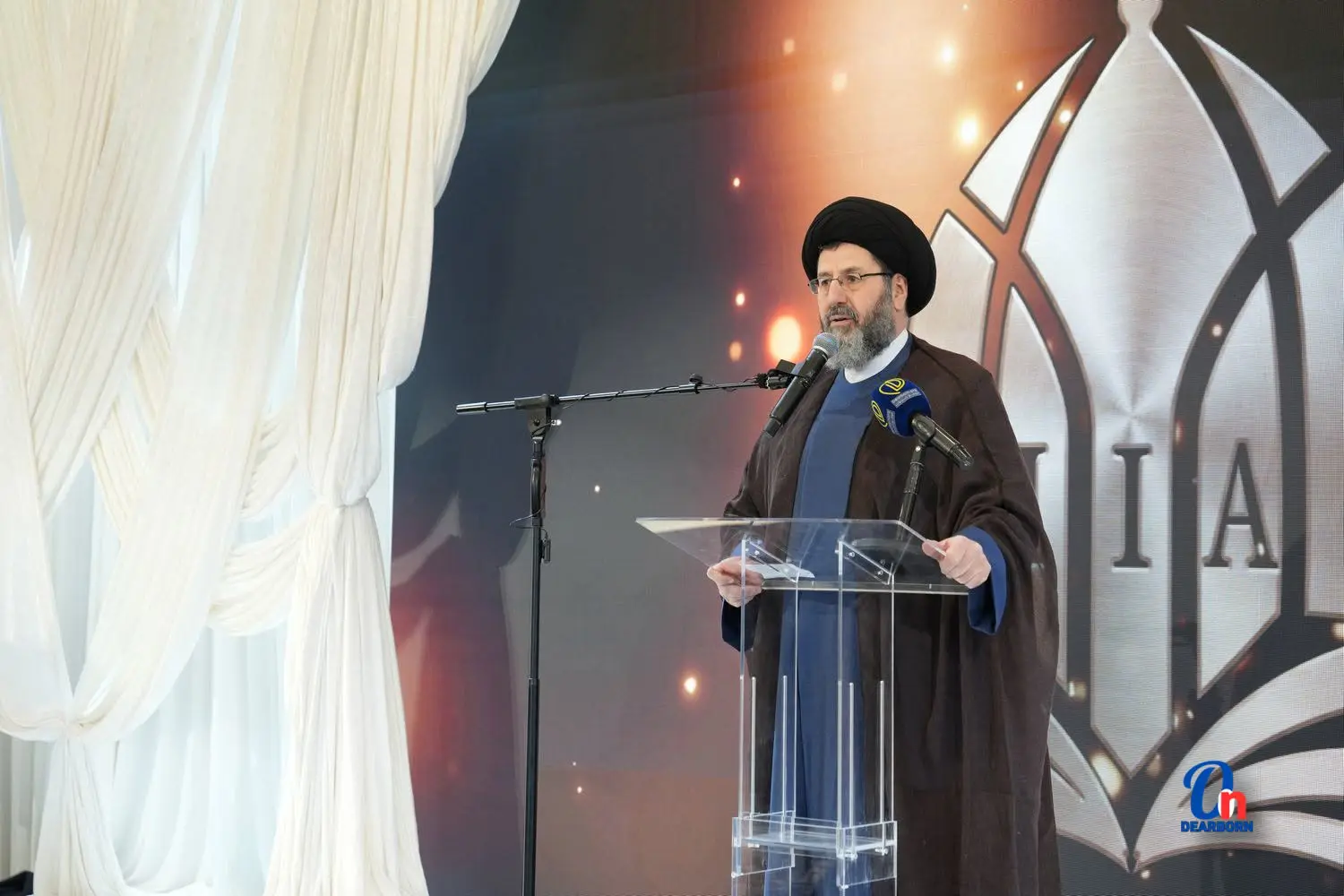
In the keynote address of the evening, Imam Sayed Hassan Qazwini reflected on the years of planning, fundraising and construction that led to the completion of the project.
“Four years ago we began building this institution,” he said. “Today we see that dream become reality through the grace of God and the generosity of this community.”
Qazwini emphasized that the success of a mosque should not be measured by its chandeliers, decorations or architecture but by its impact on people’s lives.
“Our goal was never simply to build four walls,” he said. “Our goal was to build a strong community and prepare a generation that takes pride in its faith and Islamic identity.”
He added that the mission of the Islamic Institute of America remains focused on investing in people, strengthening faith and identity among young Muslims and creating a lasting legacy for future generations.
A documentary highlighting the history of the Islamic Institute of America and the development of the new campus was presented during the gala, and several donors and supporters were honored for their contributions. Religious hymns performed by Hussein Issa added a spiritual atmosphere to the evening’s festivities.
While the ribbon-cutting ceremony marked the completion of a major construction project, community leaders said the larger mission is only beginning.
As attendees departed the new complex, many described the institution not simply as another mosque, but as a center dedicated to education, service, interfaith dialogue and community building, a vision encapsulated in Qazwini’s message:
“Our goal is to build people before we build places.”


Leave a Reply