



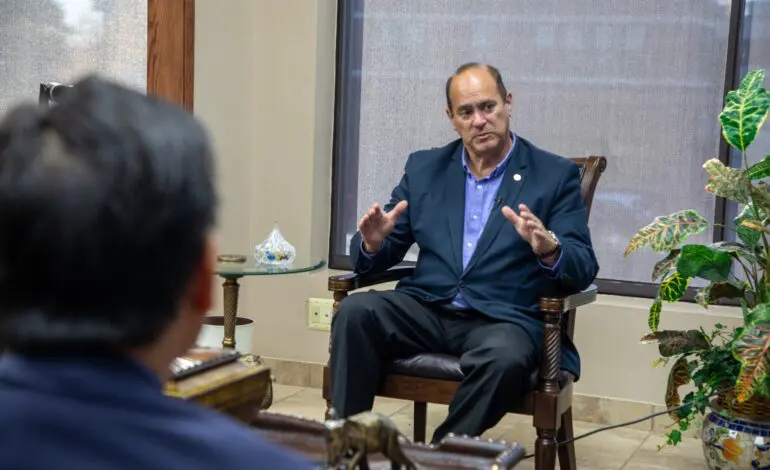

At a New Michigan Media roundtable, the Republican secretary of state nominee rejected religious tests for public service and emphasized his immigrant roots.
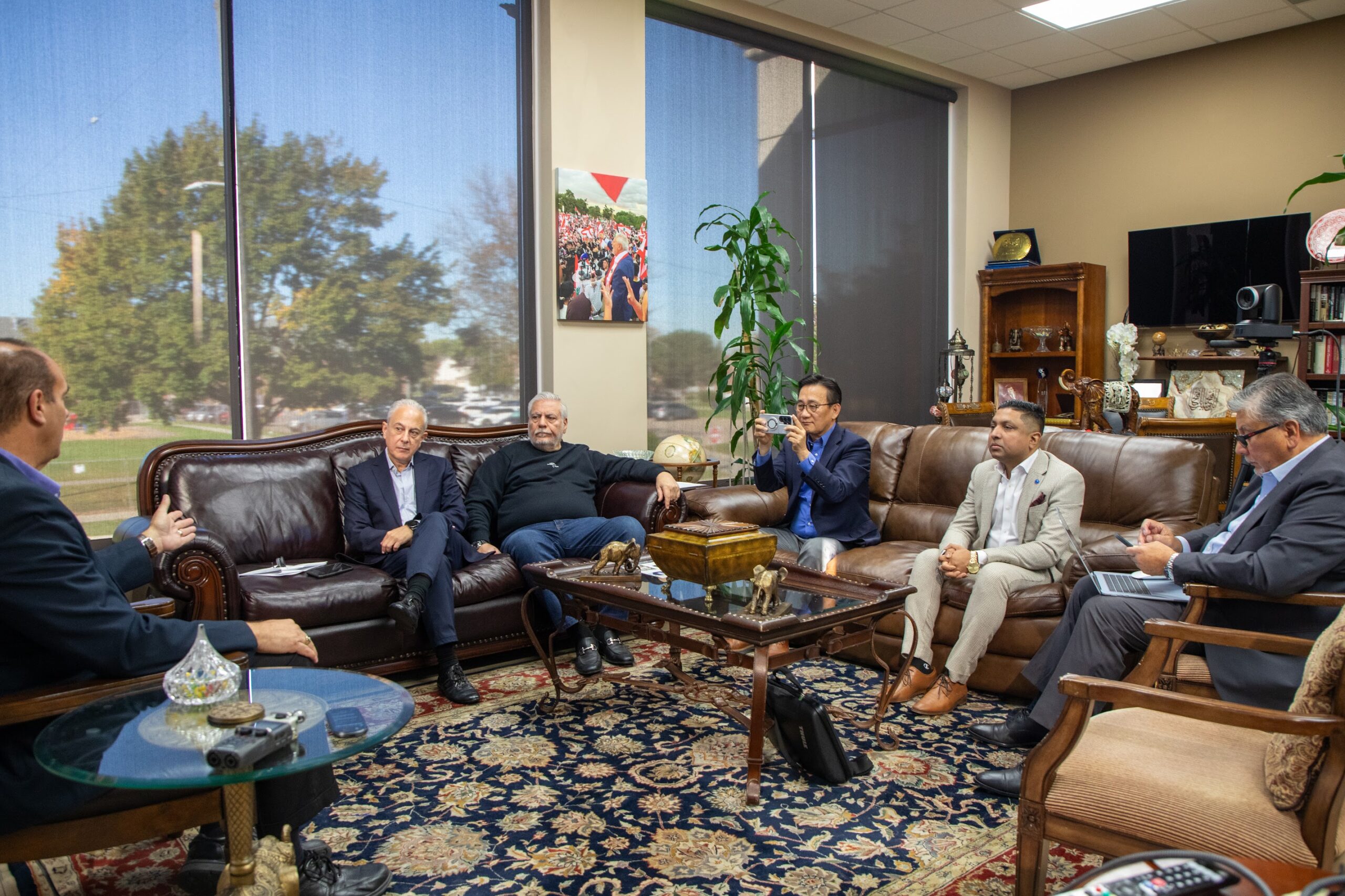
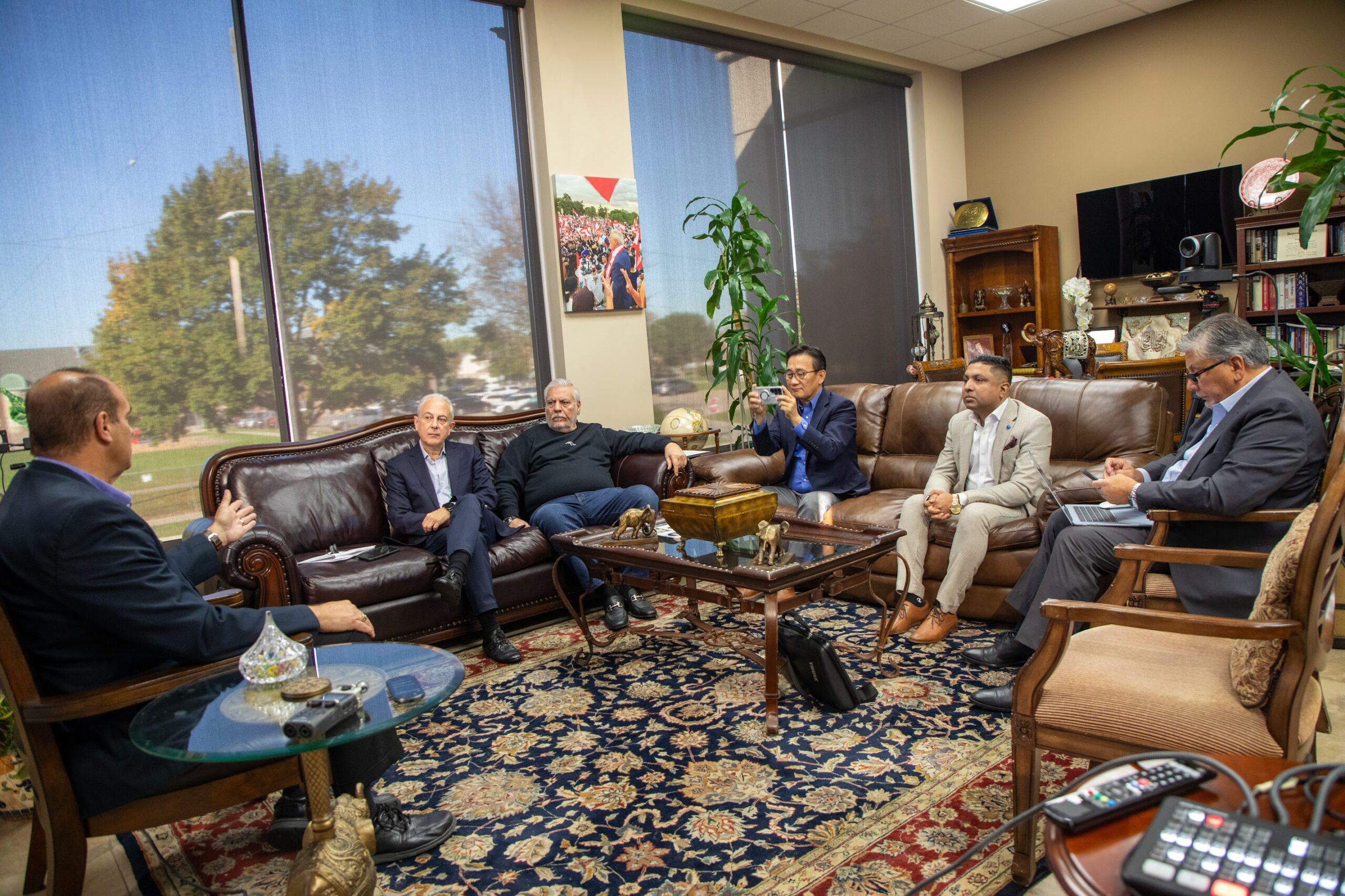
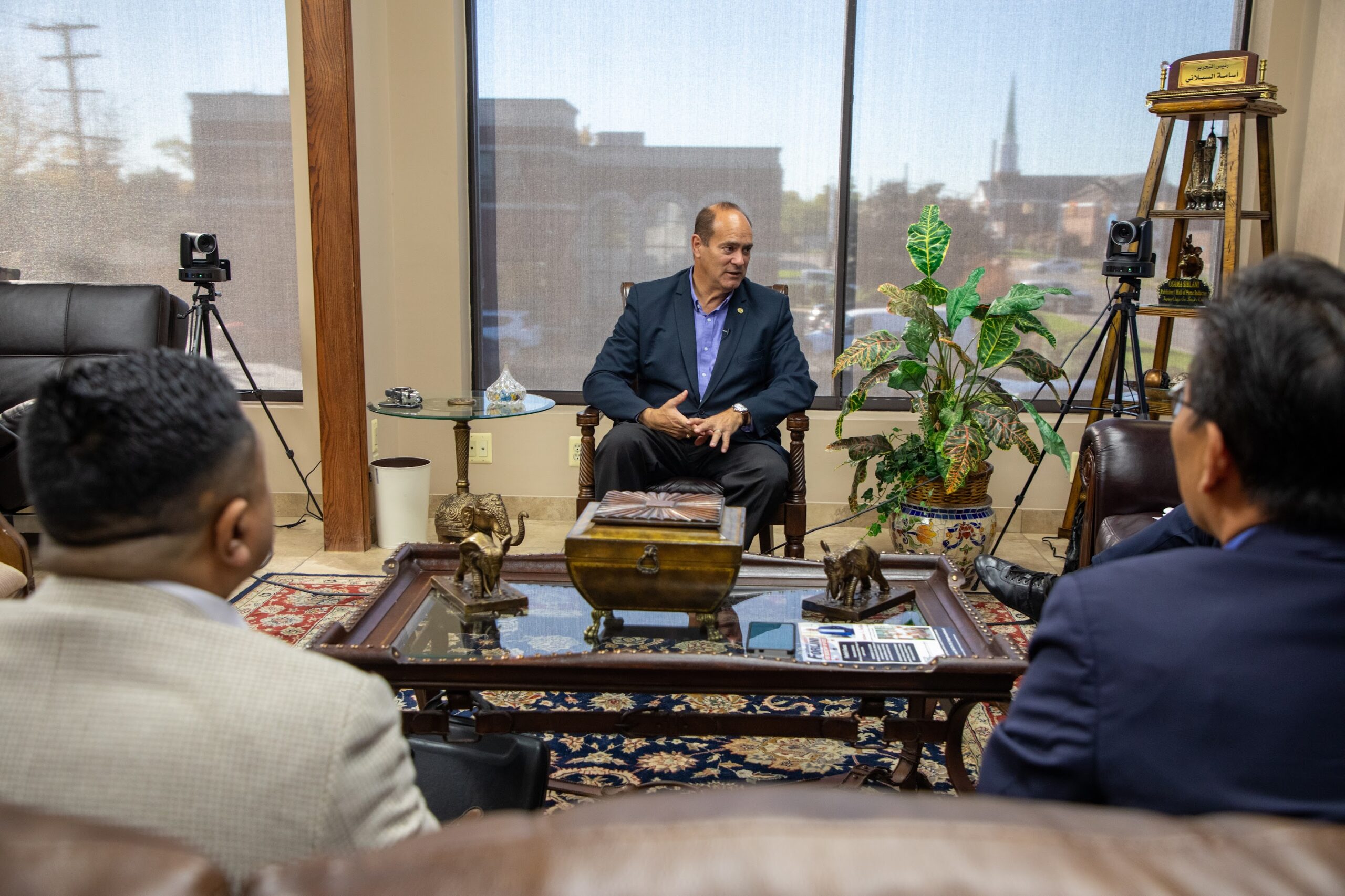
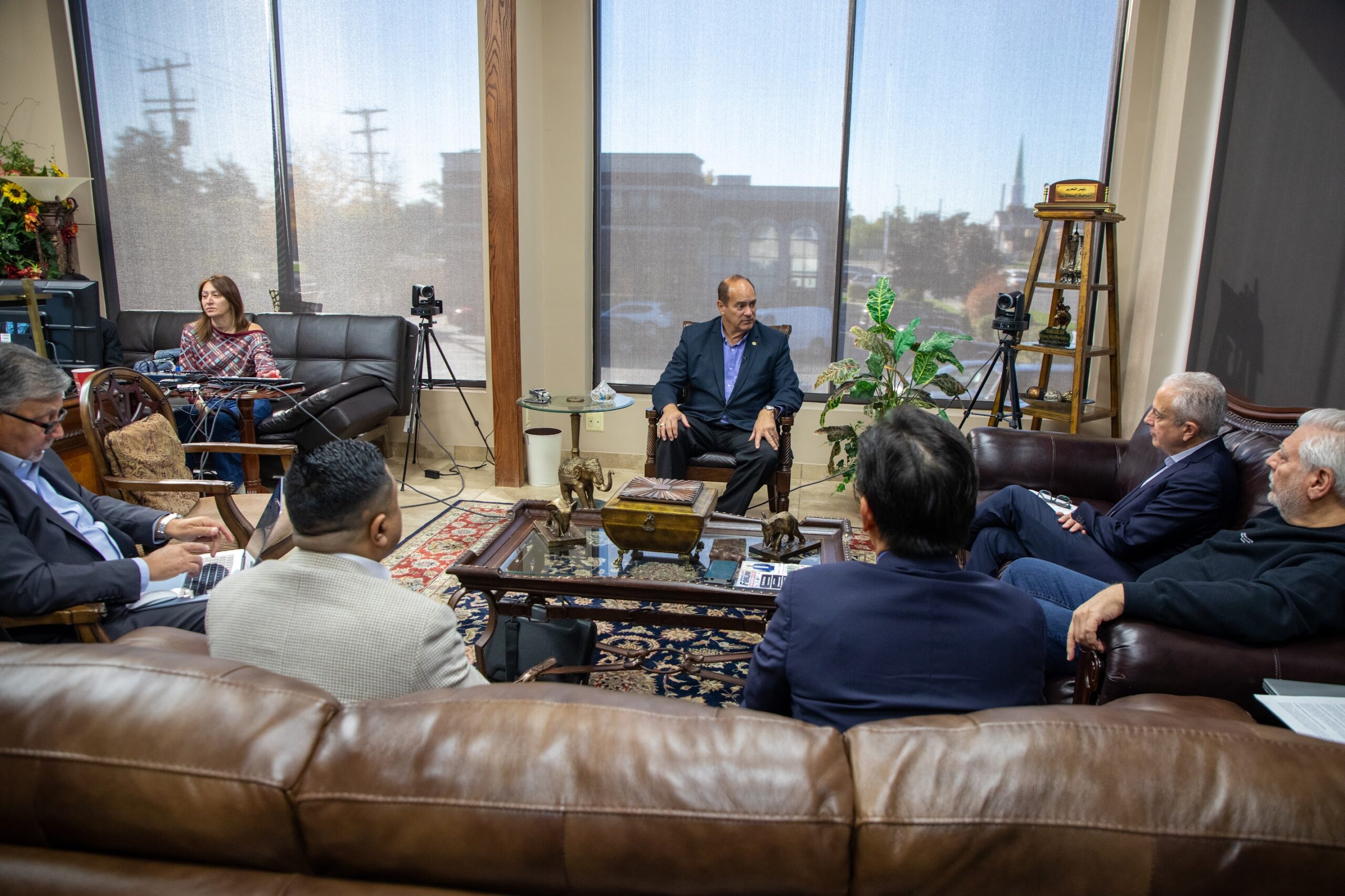
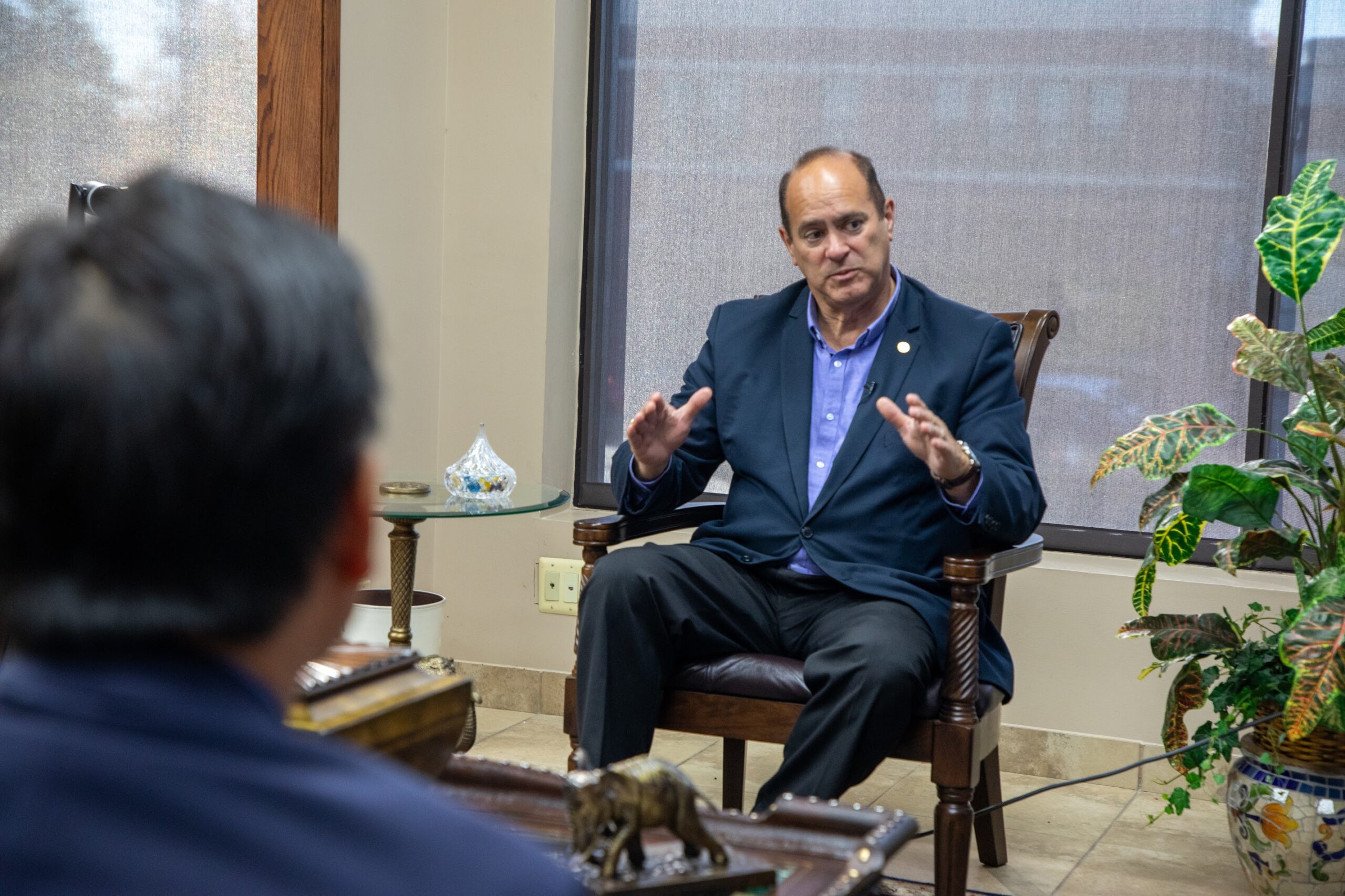
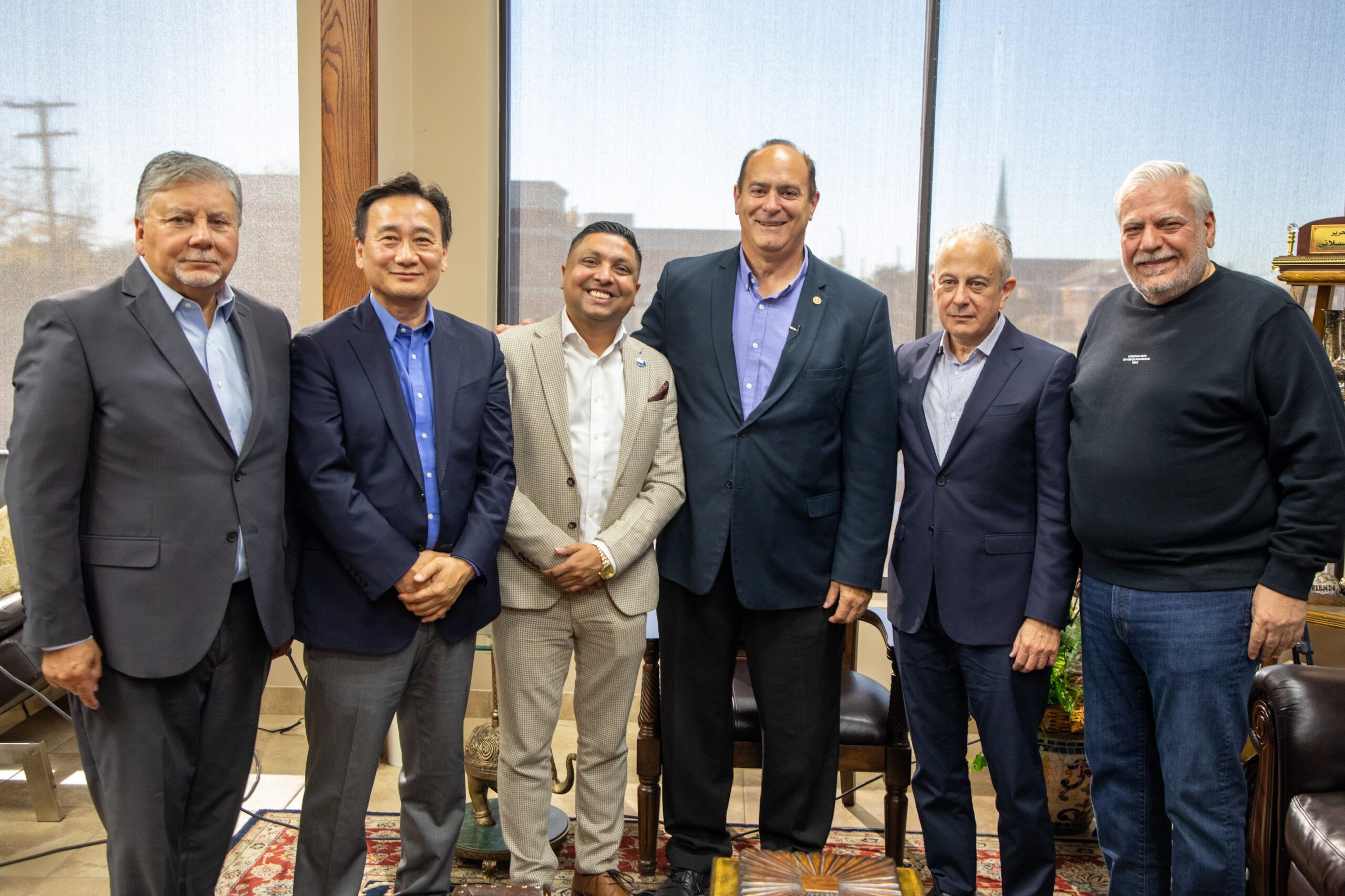
DEARBORN — Communities deserve direct access to candidates seeking their votes and clear answers about Michigan’s future. With that commitment, The Arab American News hosted candidate interviews organized by New Michigan Media, bringing together publishers and editors from the Latino Press, Michigan Korean Weekly, The Arab American News and the Bengali-language Bangla Shangbad.
Moderated by New Michigan Media Executive Director Dr. Hayg Oshagan, the interviews included Democratic U.S. Senate nominee Dr. Abdul El-Sayed; Democratic and Republican secretary of state nominees Garlin Gilchrist II and Anthony Forlini and Democratic attorney general nominee Eli Savit.
All Democratic and Republican candidates seeking those offices, along with gubernatorial candidates, received the same invitation. Every candidate who responded and participated received equal interview time.
The effort reflects a commitment to meaningful questions, accountability and informed choices. The communities these newspapers serve are vital to Michigan’s future. Their voices matter, their questions deserve answers and their votes must never be taken for granted.
Participating publishers included Osama Siblani of The Arab American News, Elias Gutierrez of the Latino Press, Tack Yong Kim of the Michigan Korean Weekly and Iqbal Ferdous of Bangla Shangbad.
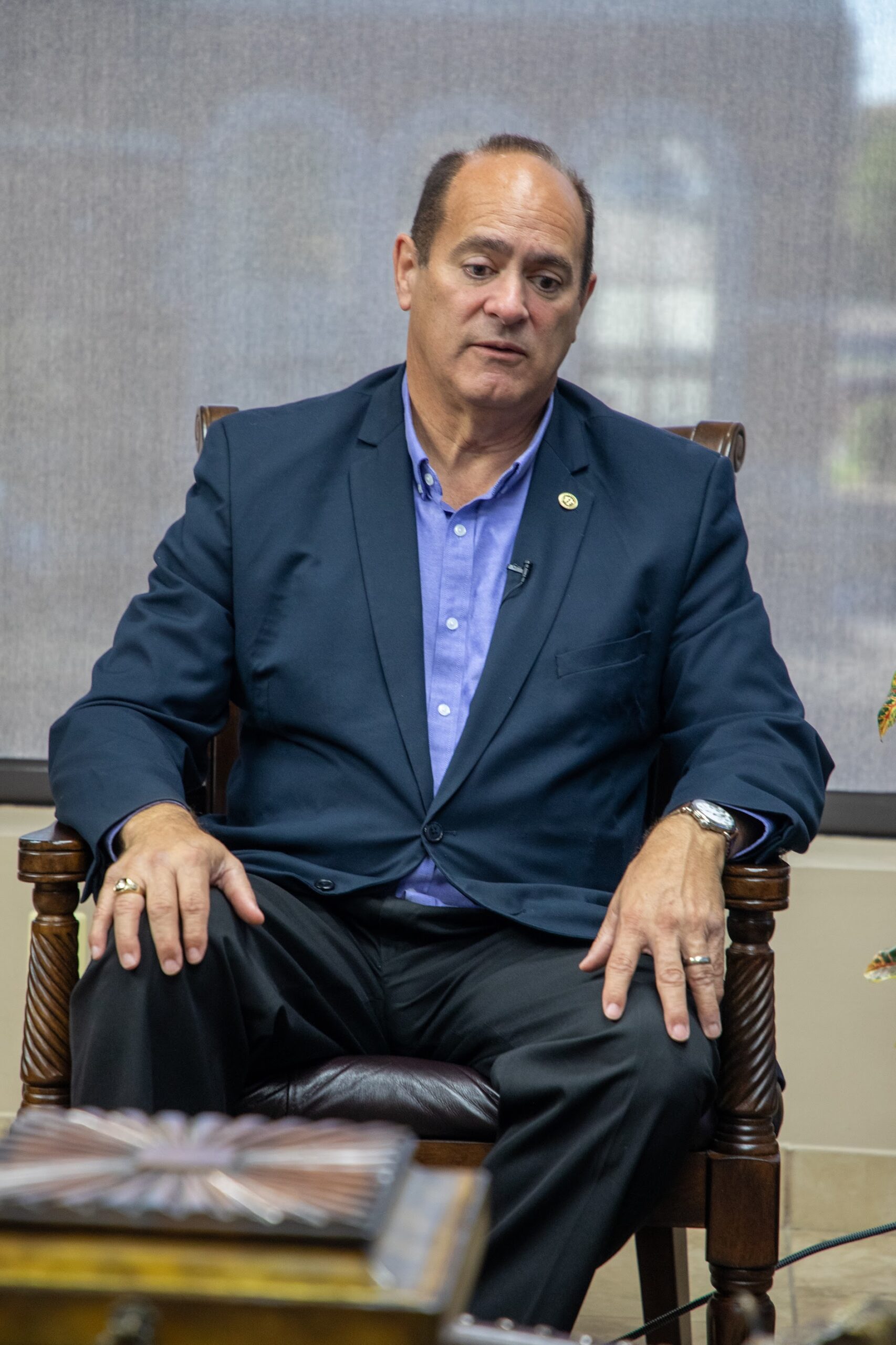
During his interview, Forlini emphasized accurate voter rolls and election transparency while expressing support for language access, inclusive services and separating driver’s licensing from immigration enforcement.
The Macomb County clerk and register of deeds, who faces Gilchrist, presented himself as a candidate seeking to work beyond partisan divisions.
Forlini cited six years in the State House, previous service as a township supervisor and his experience overseeing county elections. He said his 2020 victory over a Democratic incumbent helped shape his focus on election integrity.
The son of an Italian immigrant and a dual Italian American citizen, Forlini repeatedly connected his approach to government with his family’s experience.
“I have a very close affinity with people from other cultures,” he said. “I appreciate the American dream.”
He recalled his father returning from construction work with muddy clothes and a strong accent, describing him as a hardworking immigrant pursuing opportunity.
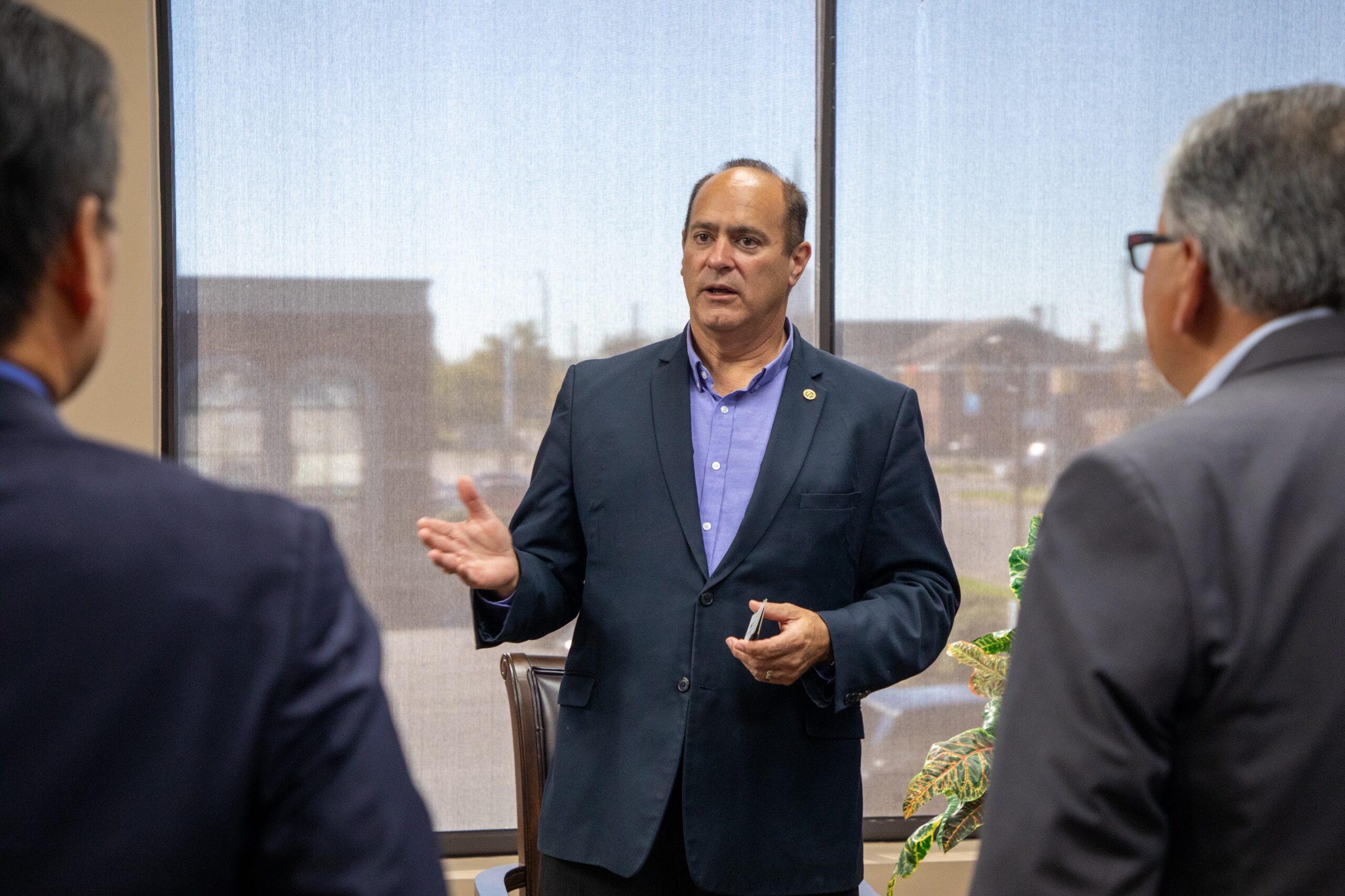
Rejecting religious tests
Asked whether religion should have anything to do with politics or government, Forlini answered, “Nothing.”
“I’m Catholic,” he said. There are all kinds of religions. I’ve been all over the world, and I really embrace all cultures.
“Religion should have nothing to do with whether someone can participate in politics or government,” he added.
Money in politics
Asked about corporate money, political action committees, dark money and contribution limits, Forlini said large financial interests leave ordinary people feeling disenfranchised.
He said he authored a 2016 State House resolution urging Congress to address dark money and argued that contributions should be visible to voters.
“I’d rather the money come directly to you so everyone sees that I supported you, instead of sending it somewhere and hiding it,” he said.
“Sometimes Republicans have more, sometimes Democrats have more. Get the money out of politics.”
He argued that communities should determine their representation rather than outside financial interests.
Voter records and citizenship
Asked about citizenship verification and avoiding burdens on eligible voters, Forlini emphasized that voting is reserved for U.S. citizens.
He advocated verifying citizenship during registration and recording that verification in the qualified voter file, rather than requiring citizenship documents at every election.
“Not every citizen has a passport, so there have to be appropriate forms of proof, including naturalization documents or birth certificates where applicable,” he said.
Forlini said he identified noncitizens on voter rolls after reviewing jury pool information. Some prospective jurors had reported being noncitizens, prompting him to investigate whether they also appeared in the qualified voter file.
Forlini backs immigrant access while calling for cleaner voter rolls
He said he referred the information to the state for review and removal of anyone found ineligible, rather than treating the individuals as criminals.
“I don’t want to see somebody deported because they made an innocent mistake or because government allowed that mistake to happen,” he said. “The government failed those people.”
He also described jury summonses sent to ineligible noncitizens as a government failure that could frighten recipients.
“Accurate records protect people rather than putting them in harm’s way,” he said.
On federal requests for unredacted voter data, Forlini proposed having federal authorities provide information Michigan could use to verify its own records.
“Rather than simply handing over everything, I want the federal government to provide the information necessary so Michigan can compare it with its own database and make sure the voter rolls are accurate,” he said.
“Michigan runs Michigan elections.”
Driver’s licenses and immigration
Asked whether he supported restoring licenses regardless of immigration status and protecting applicants’ information from ICE without a judicial warrant, Forlini emphasized driving ability.
“What is a driver’s license?” he said. “It’s your ability to drive a car. That’s all it is.”
Forlini rejects religious tests, supports driver’s licenses regardless of immigration status
He cited his father, who owned a business before becoming a U.S. citizen, and said licensing should concern whether someone can drive safely.
“The Secretary of State’s office is not about ICE,” he said. “A driver’s license is a driver’s license.”
His answer favored separating licensing from immigration enforcement but did not explicitly commit to a judicial warrant requirement for sharing information.
Language access and staffing
Asked about multilingual voting information and translated absentee ballots, Forlini supported making voting understandable and accessible.
He cited Macomb County’s interpreter service and stressed that translated proposals must convey the same meaning as the English text.
“If translations are done by authorized, certified translators, that concern can be addressed,” he said.
Forlini also highlighted visits to schools and community organizations to demonstrate voting equipment.
“People should not feel intimidated by a government service,” he said.
On recruiting and retaining multilingual staff, he cited wage increases and job reclassifications he pursued in Macomb County.
“Good employees need to be paid appropriately,” he said.
He pointed to Chaldean employees and the value of Arabic-speaking staff, pledging investment in multilingual workers, proper compensation and good management.
Transparency and performance
Asked whether residents and community media could track his performance through a dashboard or similar tool, Forlini agreed.
He said his county office’s average wait was under four minutes and 98 percent of calls were answered rather than routed to voicemail.
He also advocated Freedom of Information Act coverage for the legislature, governor’s office and secretary of state’s office.
Forlini argued that unanswered election questions breed suspicion, citing Macomb County’s online ballot images and tabulator information as examples of transparency.
“I would rather know the truth than promote a lie,” he said.
He also proposed more efficient services, assistance with paperwork and improvements involving notaries and the Office of the Great Seal.
Asked about working with a governor from another party, Forlini rejected the assumption that conflict was inevitable.
“If a Republican has a bad idea, I don’t support it,” he said. “If a Democrat has a smart idea, I support it.”
“I owe you a service”
Closing the interview, Forlini cited perfect attendance and never missing a vote during his six years in the legislature. He pledged the same work ethic in statewide office.
“I will represent every community because I believe in a multicultural America and in the story of immigrants,” he said.
“I don’t believe you owe me a job. I owe you a service. I don’t believe in doing it halfway. I believe in doing it all the way.
“If somebody is being targeted, I’ll be the first to step in and say it’s not going to happen. I’m going to work to set things straight and make government do its job properly.”

Leave a Reply