



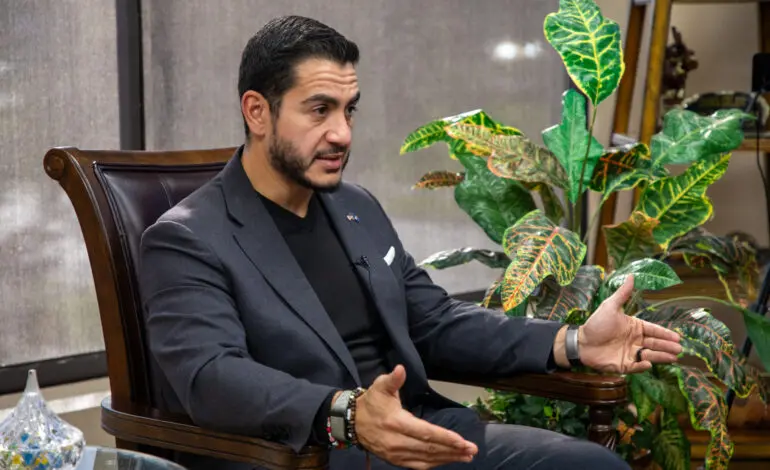

Michigan’s diverse communities deserve direct access to candidates seeking their votes and clear answers about decisions shaping their future.
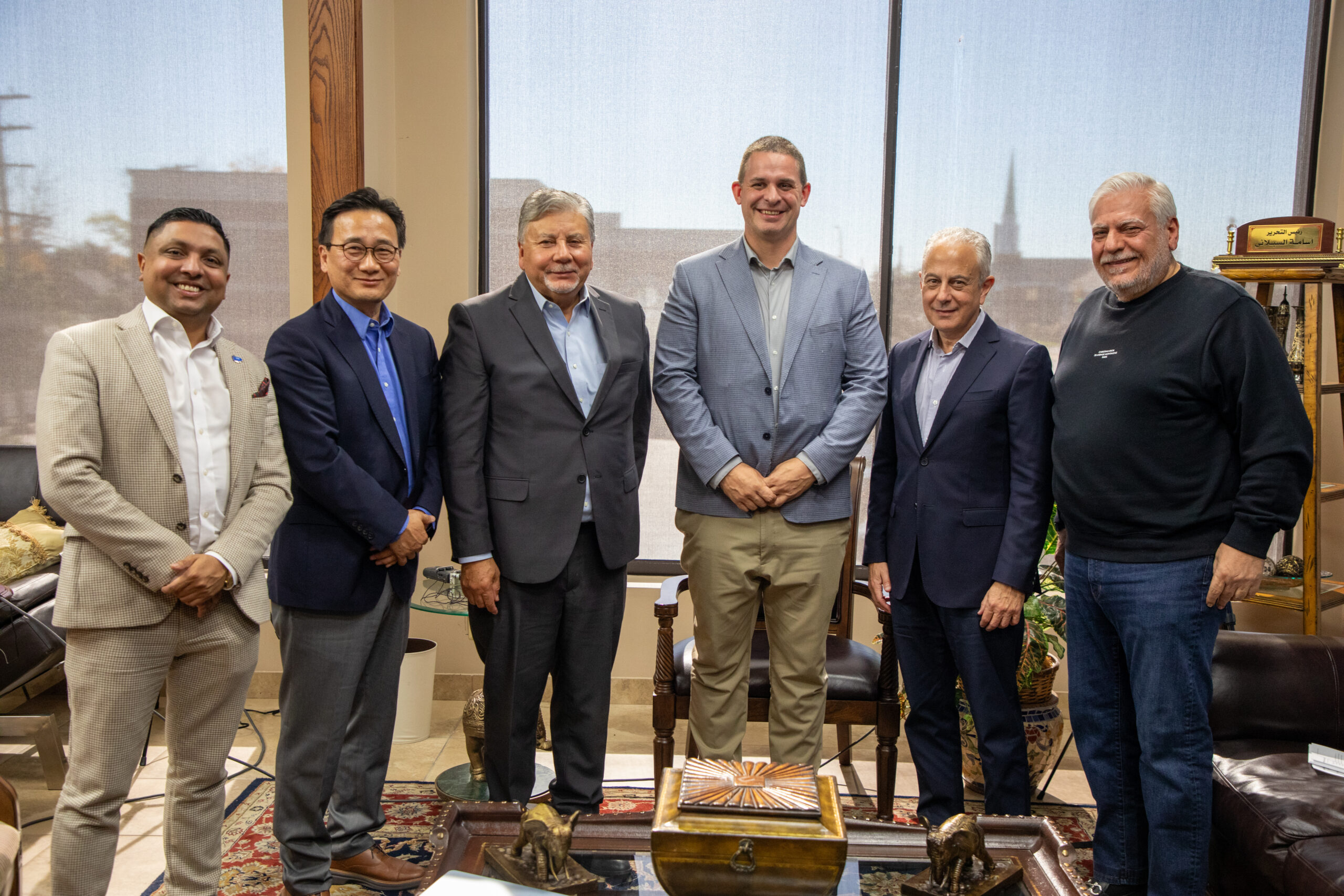
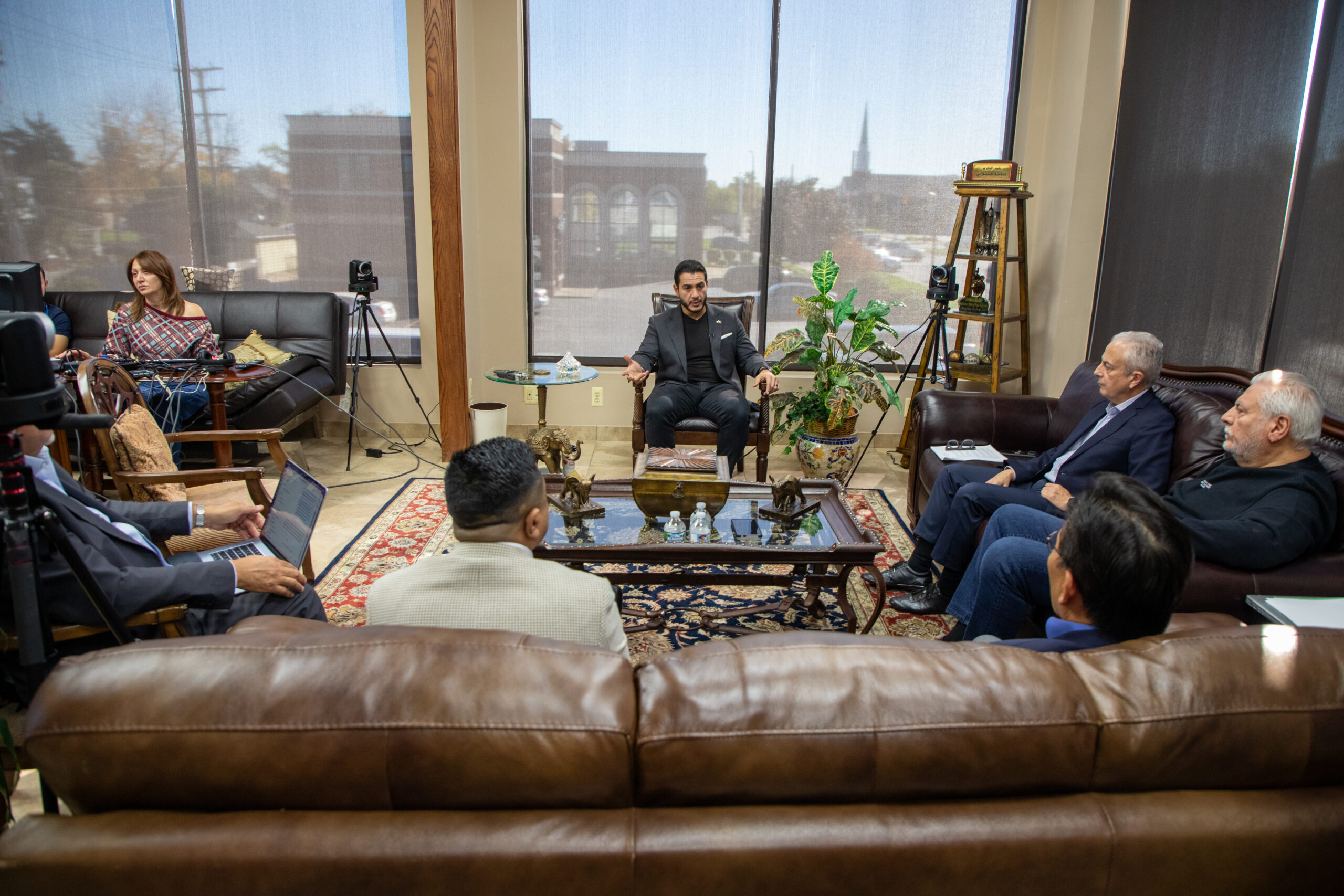
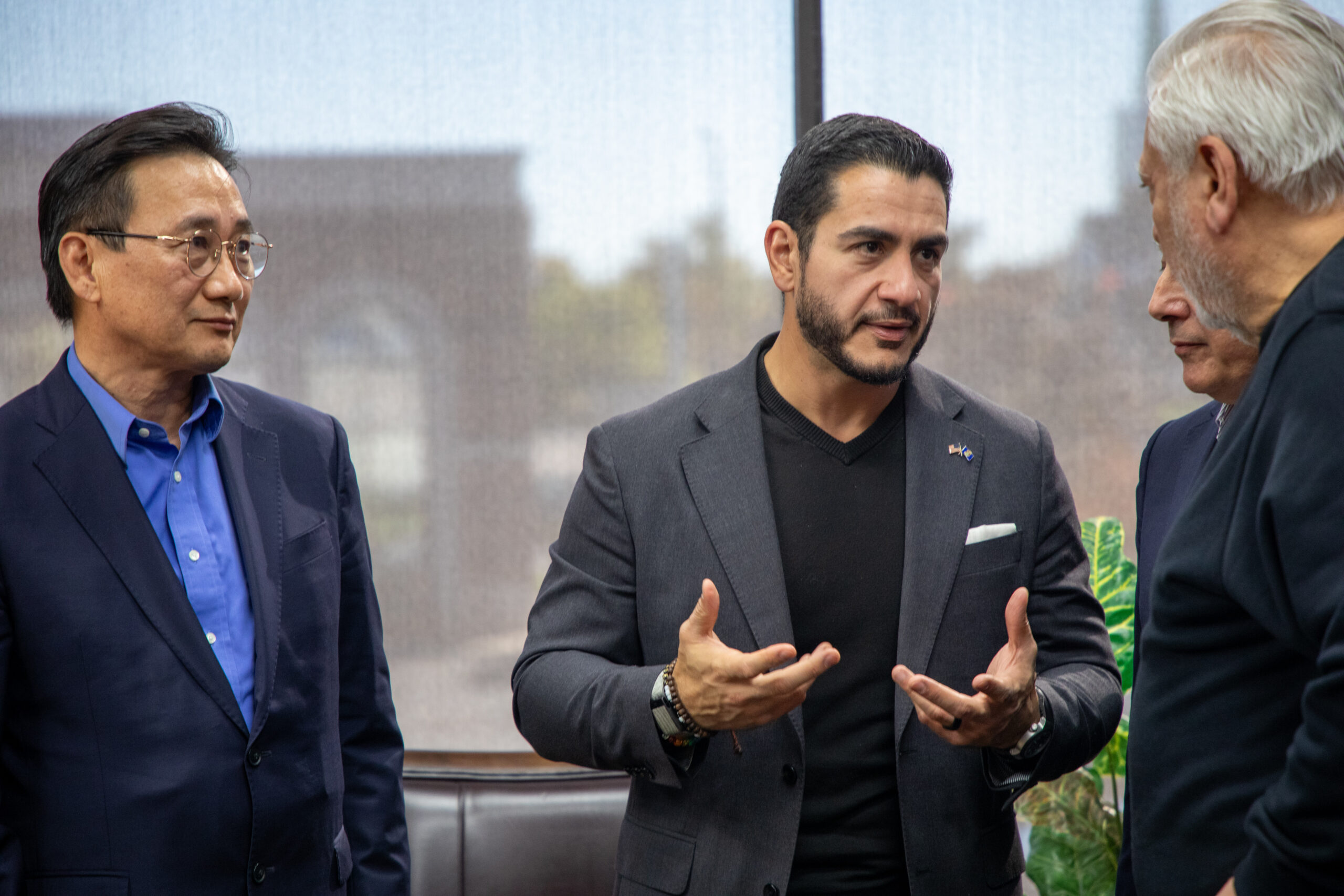
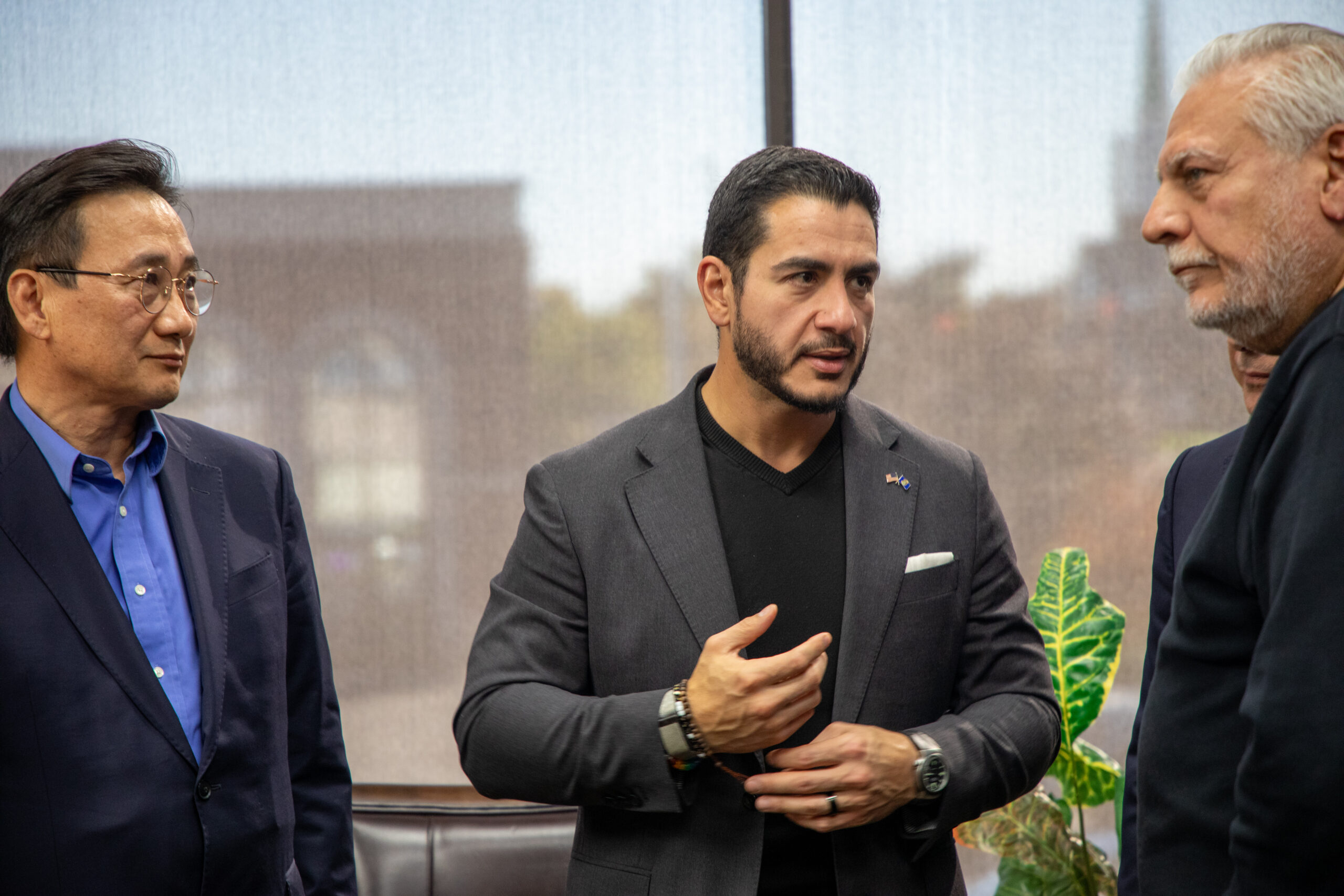
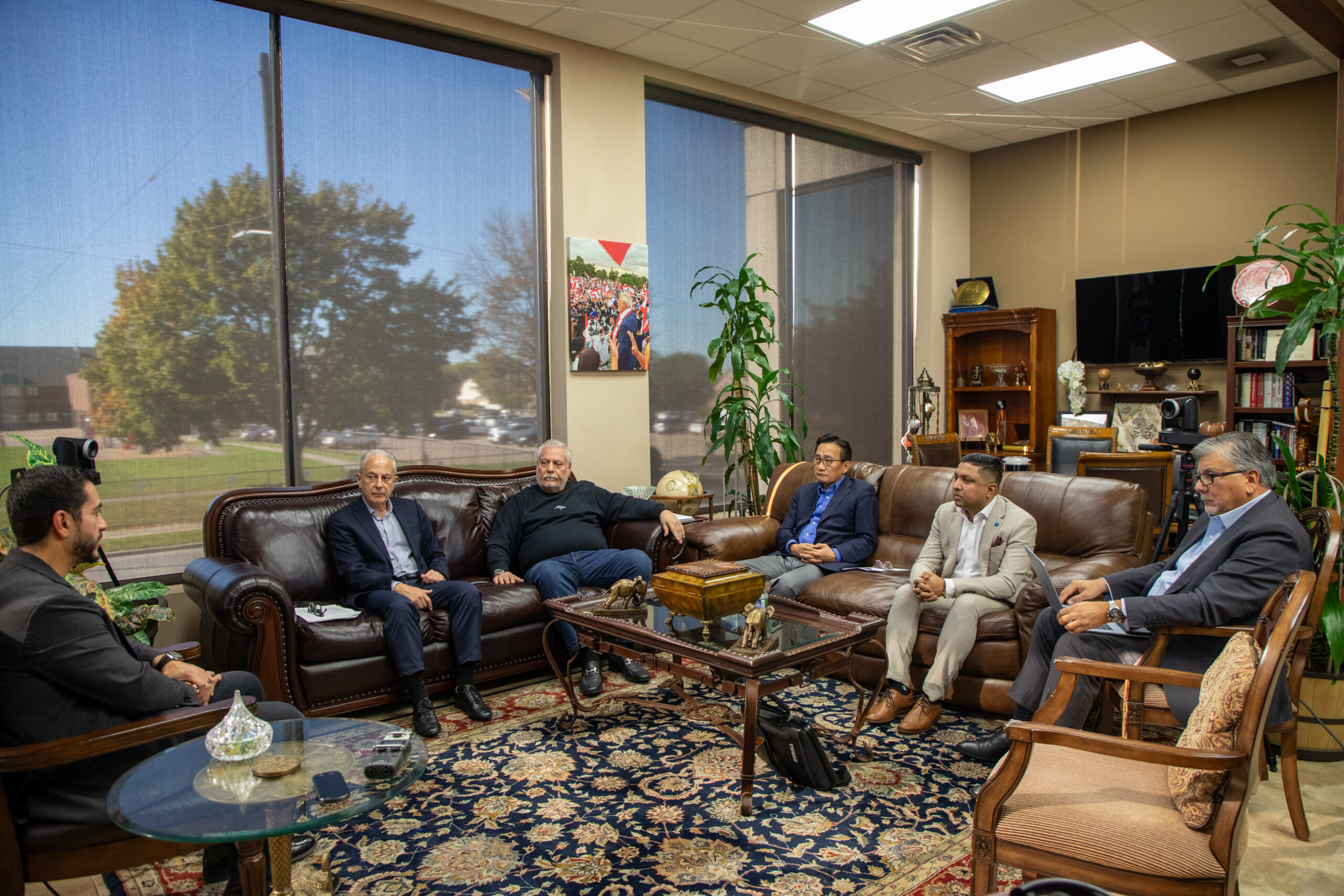
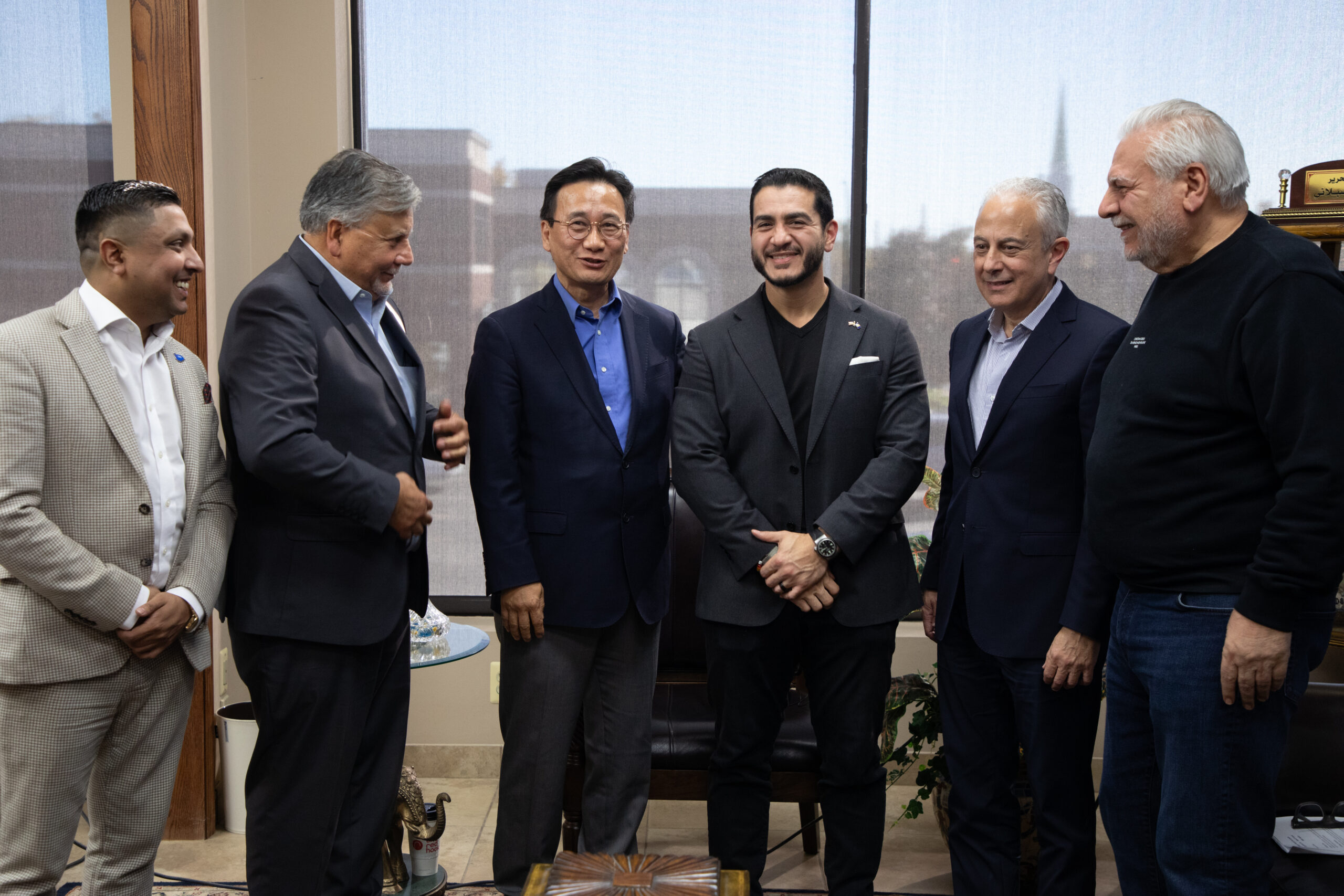
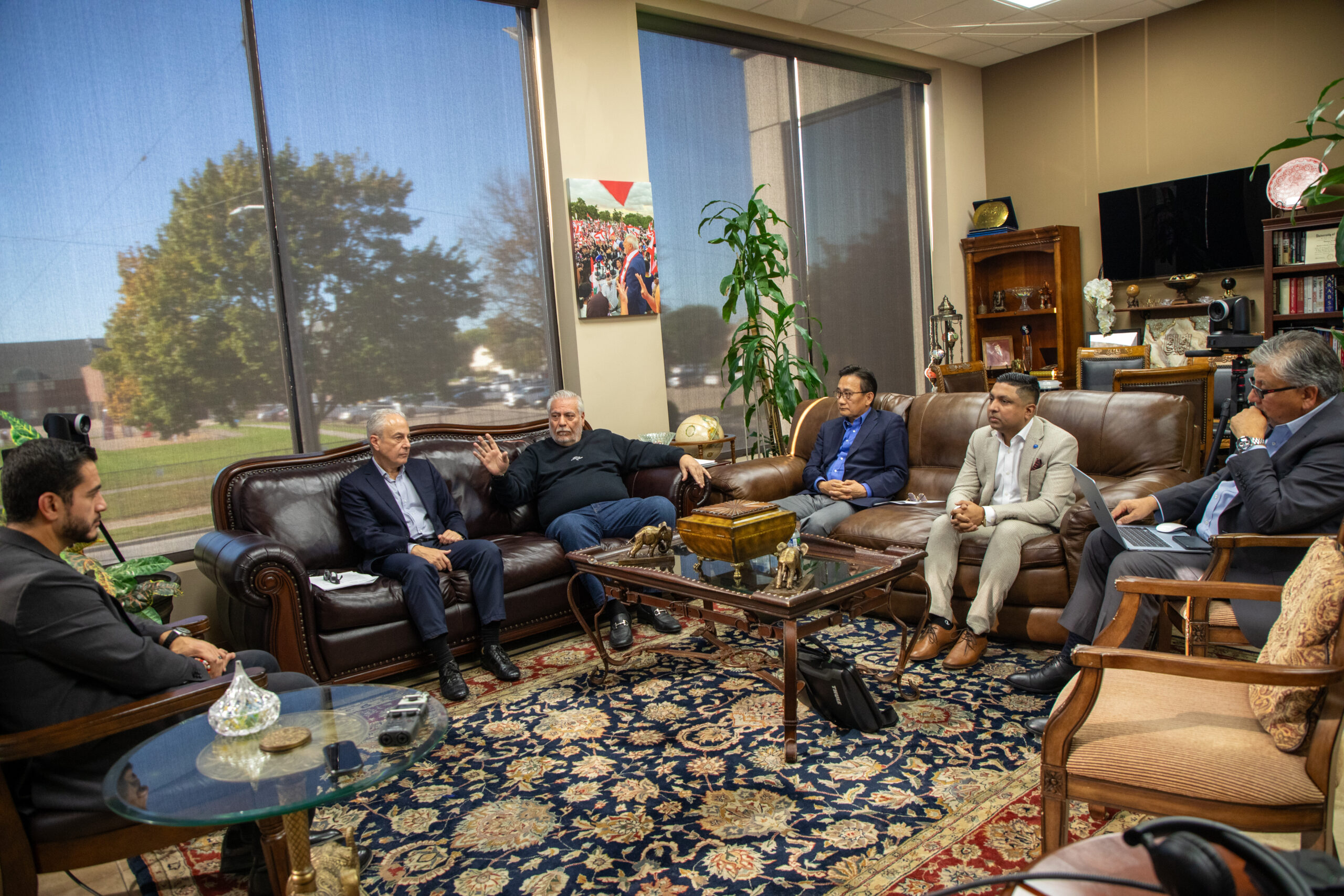
With that commitment, The Arab American News hosted candidate interviews organized by New Michigan Media, bringing together publishers and editors from the Latino Press, Michigan Korean Weekly, The Arab American News and the Bengali-language Bangla Shangbad. Dr. Hayg Oshagan, New Michigan Media’s executive director, moderated.
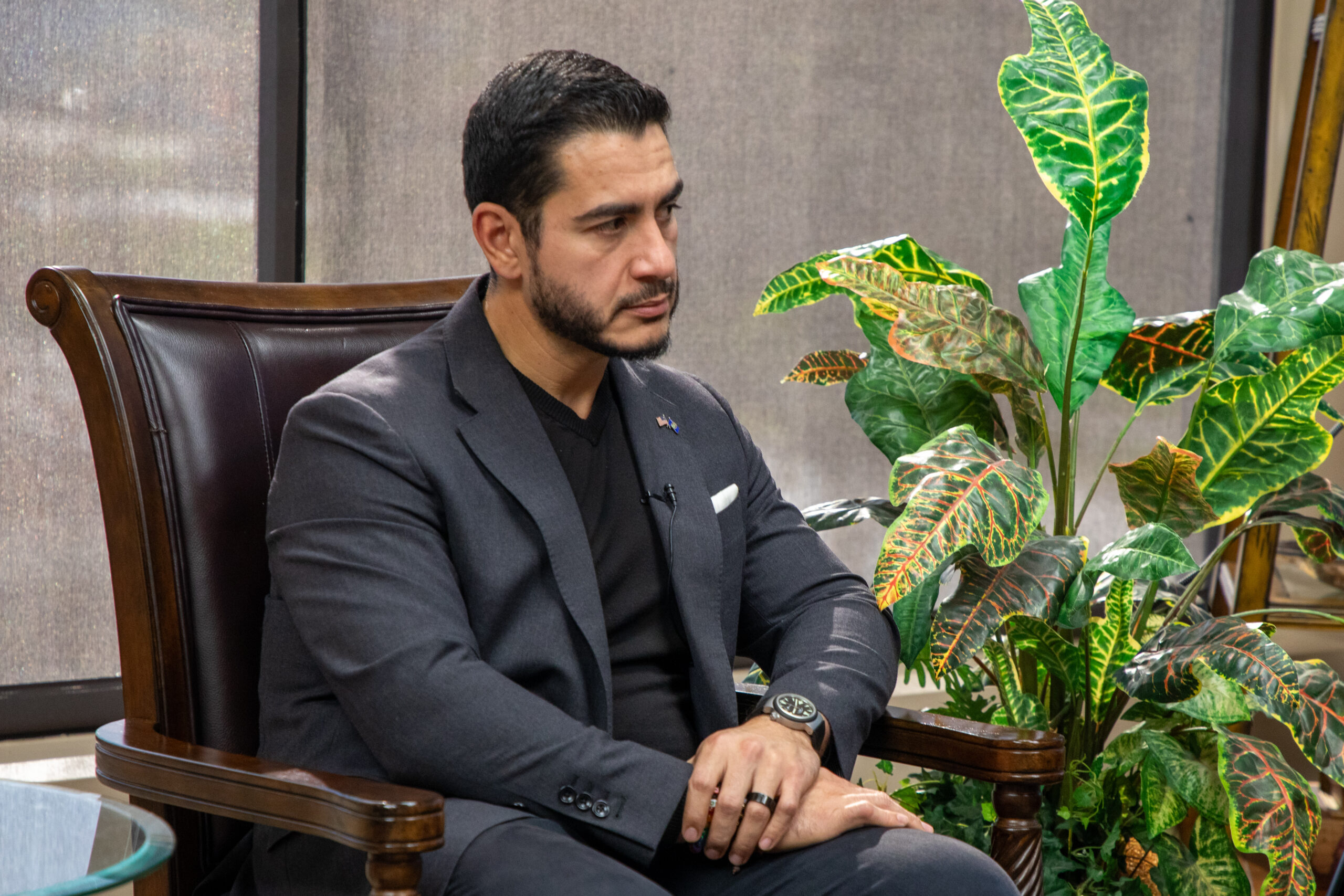
Participants included Democratic U.S. Senate nominee Dr. Abdul El-Sayed; Democratic secretary of state nominee Garlin Gilchrist; Republican secretary of state nominee Anthony Forlini and Democratic attorney general nominee Eli Savit.
All Democratic and Republican candidates seeking those offices, along with the gubernatorial candidates, received the same invitation. Participating candidates received equal interview time. Republican Senate nominee Mike Rogers did not respond.
The interviews reflected the newspapers’ commitment to meaningful questions, accountability and informed voting.
Political money and independence
El-Sayed said outside organizations were spending heavily to defeat him and that he had been outspent 11-to-1 in the primary. He argued that the opposition reflected his refusal to serve corporate interests or the American Israel Public Affairs Committee.
I’m not willing to take orders from AIPAC. I’m not willing to do anything except for what I think is the right thing, and I’m willing to lose over it. — Abdul El-Sayed
He maintained that his positions remain consistent across campaign appearances, interviews and social media, regardless of political pressure.
A message to Dearborn voters
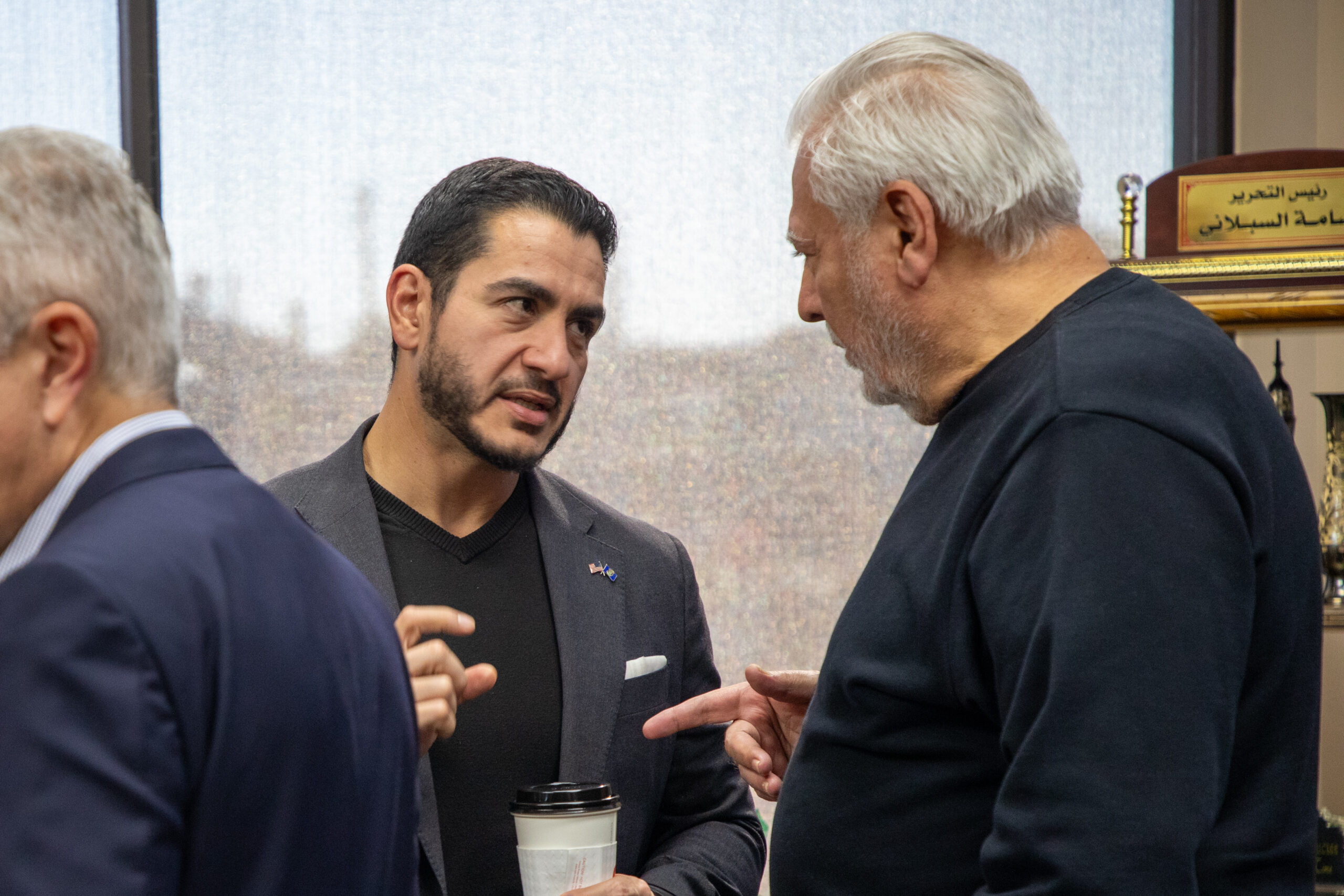
Asked by Publisher Osama Siblani how he would persuade Dearborn-area voters who supported him in the primary but might now feel less enthusiastic, El-Sayed acknowledged his imperfections.
“There is no perfect candidate. I am far from perfect. Just talk to my wife — far from perfect.”
He asked voters to consider his commitments to housing, healthcare, schools, clean air and clean water, connecting those domestic priorities to opposition to military spending abroad.
He said he wants to invest taxpayers’ money here rather than send it overseas to kill or maim people who might be their relatives in southern Lebanon, Gaza or the West Bank.
“I am going to make mistakes. I am going to stumble sometimes,” he said. “But the thing you will always get from me is that I will show up. I don’t back down.”
WATCH THE FULL INTERVIEW WITH ABDUL EL_SAYED.
Confronting anti-Muslim attacks
El-Sayed described attacks surrounding his candidacy as ugly and particularly painful for children watching their community’s belonging questioned.
But he said his experience traveling Michigan showed that most residents are welcoming. He cited conversations in living rooms, veterans’ halls, union halls, churches and synagogues.
“My name and my faith are not the reason why people can’t afford their gas or groceries, can’t see a doctor or are worried about the air they breathe and the water they drink.”
He blamed policies supported by Donald Trump, Rogers and J.D. Vance, arguing that identity-based attacks distract from those issues.
“Though I may pray a little bit differently than the average American, we pray for the same things,” he said.
Immigration under the Constitution
El-Sayed called ICE a “rogue agency running amok”, criticizing what he described as enforcement quotas and unchecked power.
“I don’t think we need an ICE,” he said.
He distinguished ICE from Customs and Border Protection, while affirming the need for secure borders and immigration enforcement conducted within constitutional limits.
Authorities must have legal grounds before detaining people, he said. He also called for honoring commitments to guest workers admitted through legal programs and funding immigration courts to prevent prolonged uncertainty.
“We cannot break our commitments to folks simply because we change our mind. It’s inappropriate and it’s wrong.”
Small businesses and healthcare
El-Sayed proposed curbing corporate subsidies, breaking up monopolies and oligopolies, reducing corporate influence in politics and investing in revolving loan funds for small businesses.
He argued that economic policy should spread opportunity rather than concentrate wealth.
“You can have a thousand millionaires or one billionaire for the same amount of money, and I’d rather have an economy that has a thousand millionaires.”
Medicare for All, he said, would guarantee lifelong coverage without copayments, deductibles, premiums, out-of-pocket costs or provider networks, while relieving employers of the burden of arranging workers’ insurance.
Asked about Medicaid changes, he warned of an “earthquake” affecting both patients and clinics’ ability to remain open. He pledged to examine ways to reduce the damage but acknowledged that repealing the law would be difficult while Trump retains veto power.
Young people and foreign wars
El-Sayed connected young adults’ frustration to growing up amid war, financial crises, student debt, unaffordable housing and uncertainty over artificial intelligence’s impact on employment.
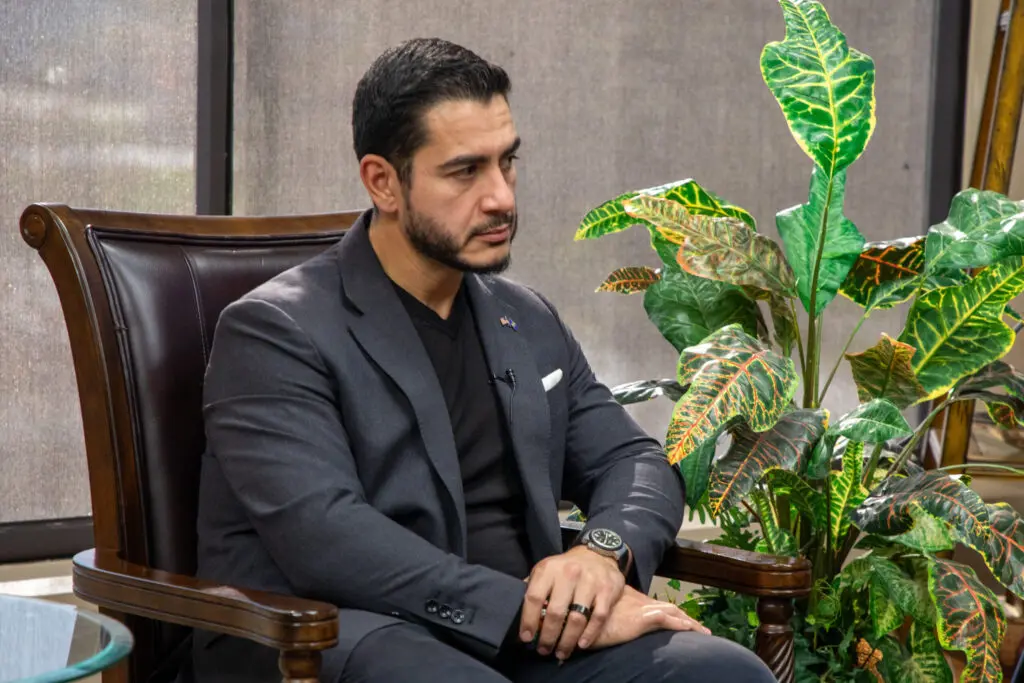
Abdul El-Sayed
We would stop bombing children. We would stop making so many bombs and going to so many wars. — Abdul El-Sayed
His guiding question, he said, is, “What would we build if we treated all of our kids like all of our kids?”
His answer included better schools, housing, clean air and water, childcare and healthcare.
Building coalitions and remaining accessible
El-Sayed cited his work rebuilding Detroit’s health department and developing Wayne County programs addressing medical debt, access to glasses and overdose prevention as evidence of his ability to work with others.
“I would much rather work with you to build something than fight you,” he said.
He pledged continued community engagement if elected, saying he does not intend to move his family to Washington.
He also emphasized building coalitions across ethnic, urban and rural communities whose residents share concerns about costs, employment, education and health.
Calling for higher turnout
Asked whether he feared federal interference in the election, El-Sayed said he did, citing Trump’s questioning of election outcomes.
I think we’ve got to win in such an overwhelming way that it’s undeniable. — Abdul El-Sayed
He urged turnout large enough to deliver a decisive result.
“You can’t steal a seven-point election. We’ve got to wall it off, so let’s go wall it off.”

Leave a Reply