



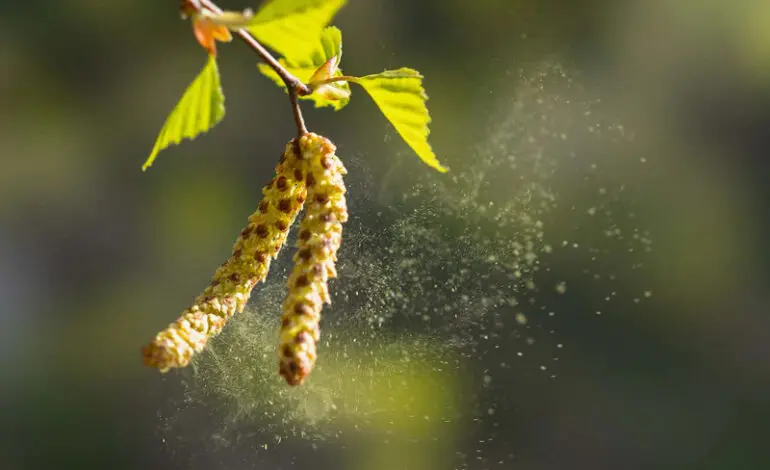

DETROIT — If your spring allergies suddenly feel worse, you’re not imagining it. Pollen levels across the Detroit area have surged to “high”, in line with much of the eastern half of the United States.
The primary driver behind this seasonal spike is tree pollen — particularly from poplar, elm and birch trees. This is peak bloom season for these species, and when combined with mild temperatures, dry days and light winds, conditions become ideal for pollen to spread and linger in the air.
National data confirms the trend. Much of the Midwest and Great Lakes region is currently experiencing high to very high pollen levels. Locally, the impact is even more noticeable. Cities like Flint and Lansing rank among the most challenging areas in the country right now, and Detroit is not far behind.
What makes this time of year especially difficult is how fine and lightweight tree pollen is. It travels easily, settles on surfaces everywhere, from your car to your patio furniture — and quickly builds up in the air and in your sinuses.
Weather patterns also play a key role. Dry conditions allow pollen to accumulate day after day, while wind helps spread it. In contrast, sustained rainfall can significantly reduce pollen levels by washing it out of the air.
The good news: this phase doesn’t last forever. Tree pollen is typically the first major wave in allergy season. By late May and early June, grass pollen begins to take over, followed later by ragweed. For some, that means relief — for others, it simply means a shift in triggers.
Symptoms and tips
Spring allergies — also known as Allergic rhinitis (hay fever) — typically emerge in spring when tree pollen spreads. Symptoms mainly affect the respiratory system and eyes, and include:
- Nasal symptoms: runny nose, frequent sneezing and congestion that may cause sinus pressure and facial pain.
- Eye symptoms: intense itching, watery eyes, redness, swelling and sometimes dark circles under the eyes.
- Throat and chest: itchy throat or roof of the mouth, dry cough and occasional wheezing, especially in people with asthma.
- General symptoms: reduced sense of smell and taste, fatigue due to disrupted sleep from congestion.
Symptoms tend to worsen on sunny, dry and windy days, when pollen travels farther and concentrations rise.
To manage symptoms, experts recommend monitoring daily air quality reports for pollen levels, keeping windows closed during peak periods, avoiding early morning outdoor exposure when pollen counts are highest, washing your face and hands after being outside and using antihistamines or nasal sprays after consulting a doctor.



Leave a Reply