




Health care costs, education, housing and money in politics shape their support — and their expectations for what comes after Election Day.
DEARBORN — Young voters turned out in large numbers in Michigan’s 2024 presidential election, with 58 percent of those ages 18–29 casting ballots, giving the state the nation’s third-highest youth turnout.
Now, as Michigan’s 2026 U.S. Senate race draws attention, five young supporters of Abdul El-Sayed say their interest centers on issues affecting their lives: health care costs, education, housing and the influence of money in politics.
Their paths to supporting El-Sayed differ. One worries about affording a doctor’s visit on an educator’s salary. Another is preparing for a medical career and thinking about his future patients. Others draw on family experiences, business ownership and campaign work to explain what they expect from elected leaders.
Together, their stories offer a closer look at what attracts these voters to El-Sayed and what they hope he will accomplish if elected.
Wasey Rehman, 22, medical student
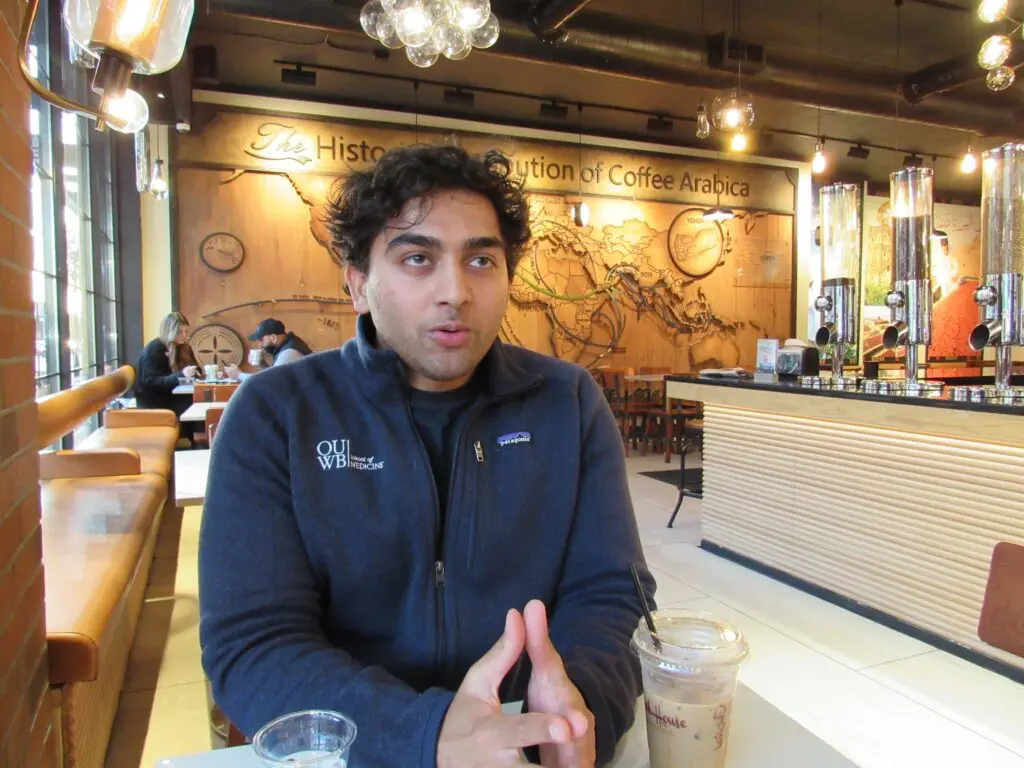
Wasey Rehman
Wasey Rehman’s support for El-Sayed followed a period of political disillusionment.
A second-year student at Oakland University William Beaumont School of Medicine, Rehman grew up in Franklin and attended college in Dearborn. He believes moving between the communities exposed him to different experiences of wealth, opportunity and community life.
As a student, Rehman became involved in political campaigns and considered pursuing politics himself. Over time, however, he grew skeptical of a system he believed placed too much emphasis on fundraising and public image.
El-Sayed’s 2018 gubernatorial campaign renewed his interest. Rehman was drawn to his communication skills and what he views as consistency in his political beliefs.
With El-Sayed now running for the Senate, Rehman remains focused on the issue that matters most to him: money in politics.
Through campaign work, he said, he has seen local candidates struggle against better-funded opponents. He believes reducing wealthy donors’ and corporations’ influence would help keep elected officials accountable to constituents.
“Is this a campaign of the many or a campaign of the money?” Rehman said, describing the distinction he sees at the heart of El-Sayed’s campaign.
He recognizes that delivering on health care and political reform requires more than one elected official. He wants El-Sayed to introduce legislation, consistently advocate for his priorities and build broader support.
For Rehman, the goal extends beyond winning an election to sustained political action.
Nadine Elhage, 27, educator
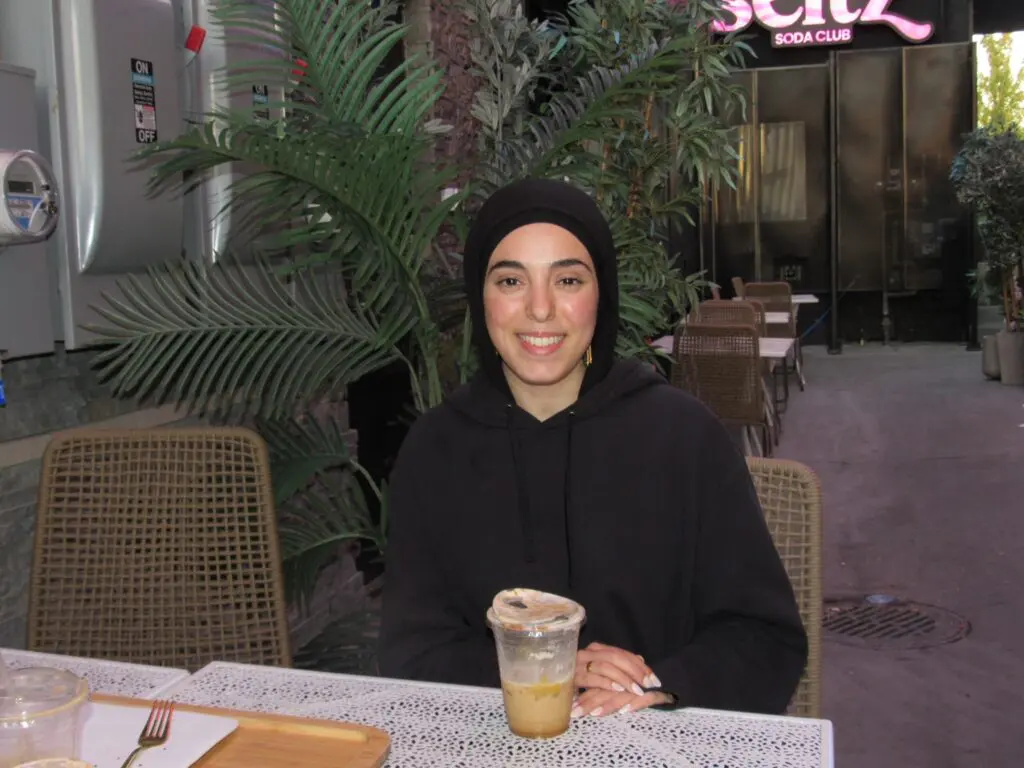
Nadine Elhage
For Nadine Elhage, health care affordability is something she measures against her paycheck.
“As a teacher, you would think, like, we don’t make a lot of money in this profession,” she said.
The Lebanese American, who grew up in Dearborn Heights, works at the University of Michigan-Dearborn’s Early Childhood Education Center.
She said she does not qualify for free health care and worries about paying hundreds of dollars for a doctor’s visit. She finds herself calculating how many working hours it would take to cover the expense and questioning whether seeking care is worth the cost.
That experience has made health care affordability a central concern. She also responds to El-Sayed’s calls to put more money in people’s pockets and reduce corporate influence in politics.
Her support is not based on shared ethnic or religious identity alone. Elhage values his outreach beyond Arab and Muslim voters, including to people of color, LGBTQ+ people and health care workers.
She wants a candidate whose policies reflect her values of acceptance and inclusion.
Tariq Kermali, 26, medical student
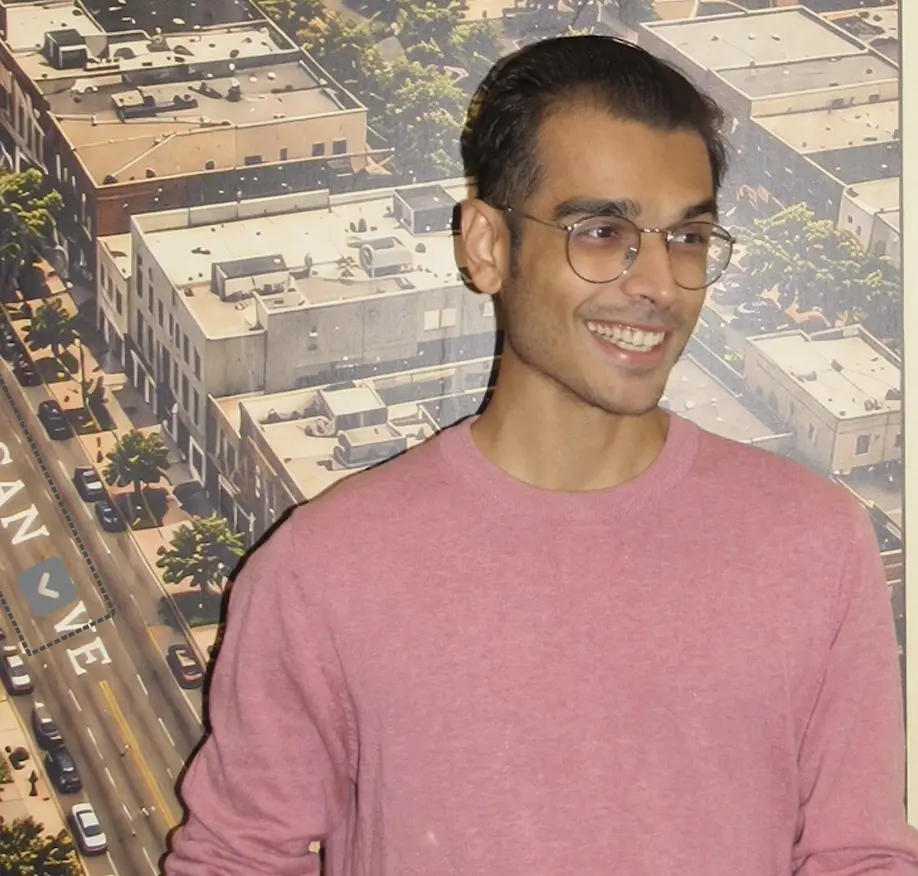
Tariq Kermali
As a Wayne State University medical student, Tariq Kermali’s support for El-Sayed is partly rooted in the health care system he wants available to his future patients.
Born in Florida and raised in Toronto, Kermali moved to Detroit about three years ago. El-Sayed’s health care background and proposals to expand access initially caught his attention.
“I want to see a system where patients can seek the care they need without the cost becoming an additional burden,” he said.
Kermali also worries about grocery and housing costs, basic needs that affect people across generations.
He believes El-Sayed takes younger voters seriously and recognizes their stake in decisions shaping their future.
For Kermali, the priority is whether a candidate’s policies address those everyday concerns, regardless of background. He hopes El-Sayed will translate his promises into tangible improvements.
Yousef, 26, Yemeni American voter
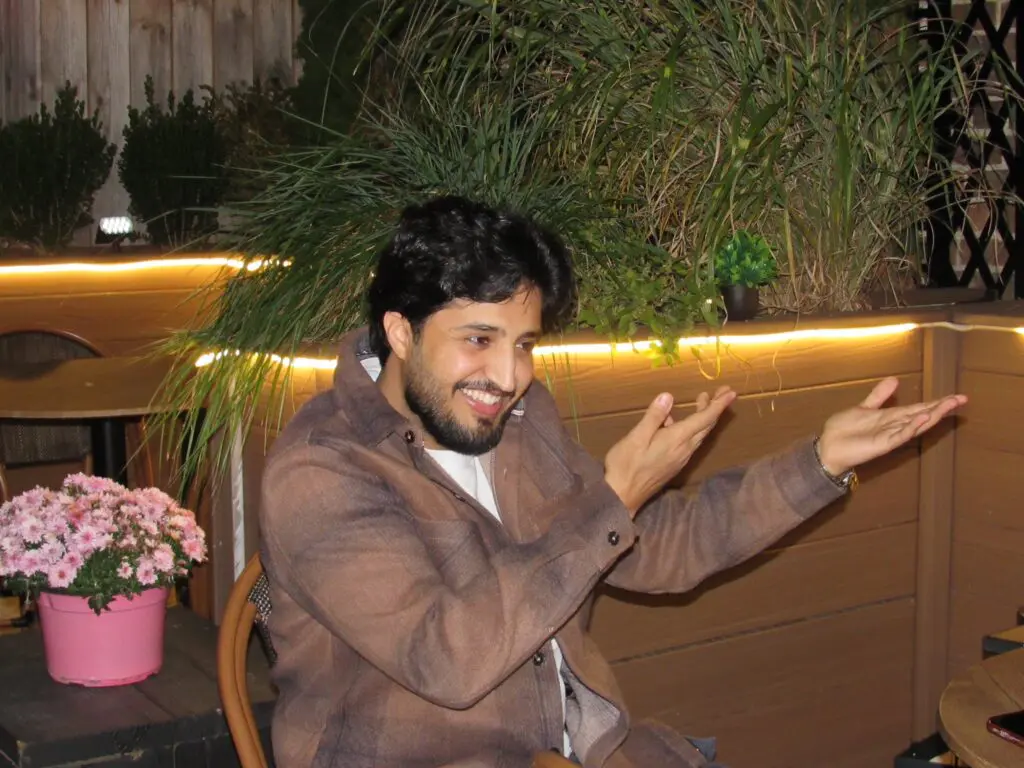
Yousef
Yousef’s concerns about health care affordability were shaped partly by watching distant relatives in Yemen struggle to pay for medical treatment.
Those experiences gave him a personal understanding of the barriers people encounter when they need care.
Although he has not faced the same financial burdens related to health care in the United States, those memories influence his priorities.
He is drawn to El-Sayed’s emphasis on health care access, criticism of money’s influence on politics and focus on making life more affordable for ordinary people.
For Yousef, supporting El-Sayed also means hoping those promises become meaningful improvements in people’s lives.
Ameera Zaarour, 22, student and business owner
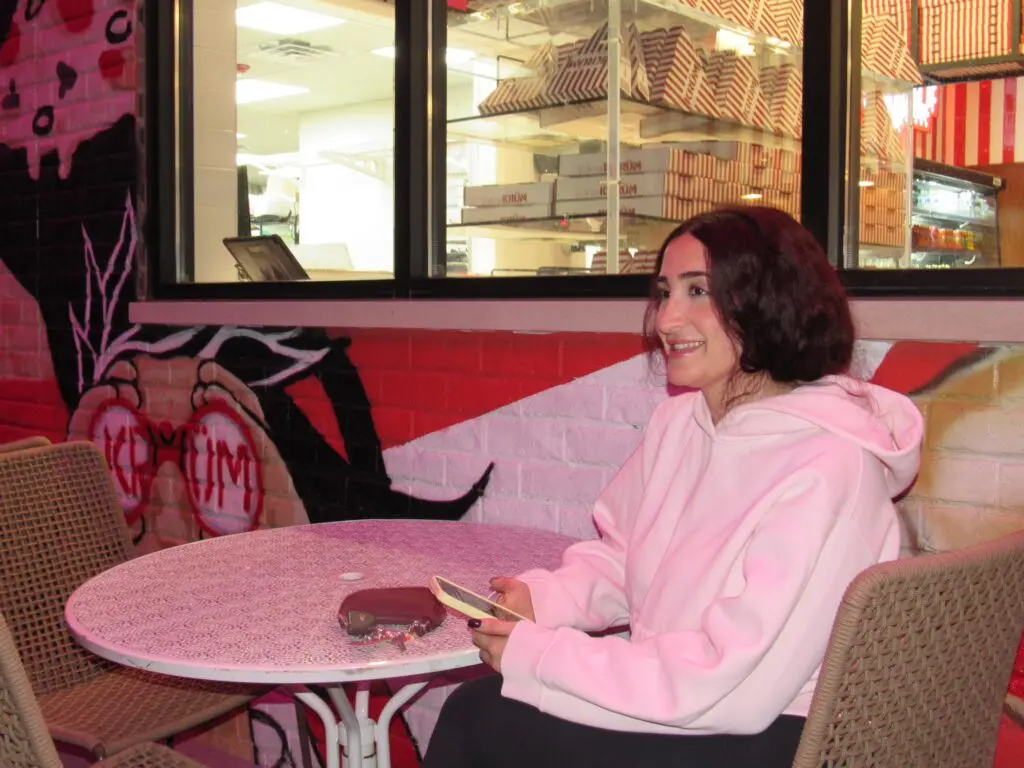
Ameera Zaarour
Growing up in Dearborn, Ameera Zaarour saw how deeply roots and community shaped people’s lives. As she grew older, she began noticing how political decisions affected families and opportunities for younger generations.
At 22, she balances college with running Nurish Detroit, making education costs and the financial pressures of adulthood immediate concerns.
She wants leaders to address the challenges facing people her age as they build a future while managing competing expenses.
“As a college student, I’ve experienced firsthand how difficult it can be to balance the cost of education with everything else that comes with being a young adult,” she said.
Those concerns drew her toward El-Sayed’s focus on affordability and education, including his campaign’s proposal to expand access to tuition-free, debt-free higher education.
For Zaarour, voting provides a voice in decisions affecting her generation.
She hopes for leadership that takes young voters seriously and recognizes that politics extends beyond the news, shaping families and the communities they call home.
Different experiences, shared expectations
These five voters arrived at their support for El-Sayed through different experiences. They share an expectation that elected officials should address the concerns shaping their daily lives and future opportunities.
They want campaign promises reflected in legislation, policies and decisions that improve ordinary people’s lives.
For these young voters, the election’s significance rests not only on who wins, but on what follows.

Leave a Reply